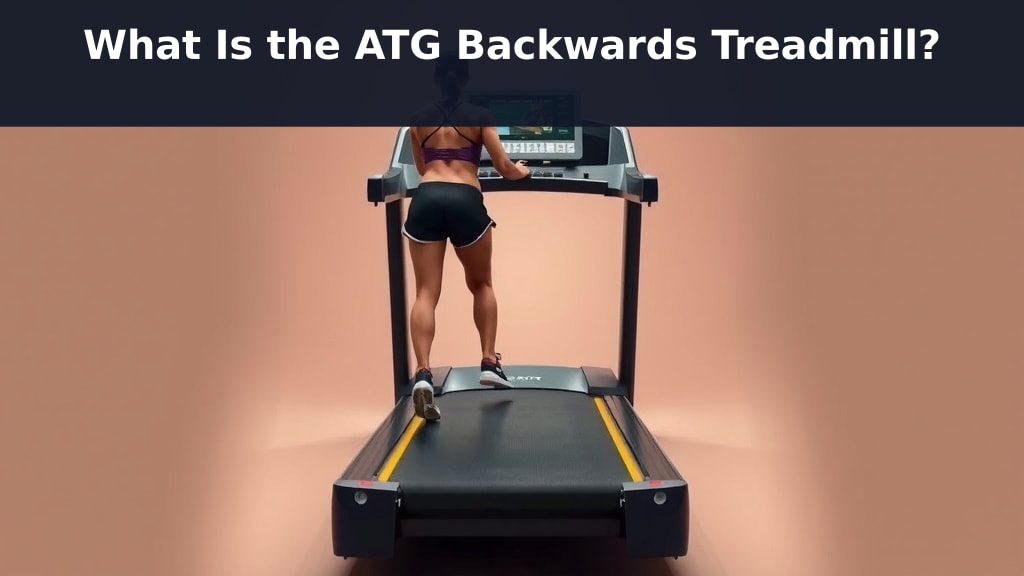
What Is the ATG Backwards Treadmill?
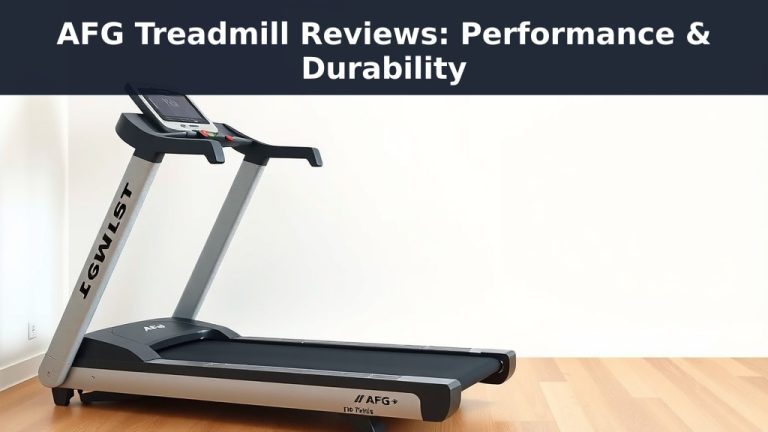
The ATG Backwards Treadmill is a unique piece of exercise equipment that simulates running or walking backward. It features a curved, self-powered belt designed to enhance specific muscle groups and improve gait mechanics. Unlike traditional treadmills, it doesn’t require electricity. You control the speed by how fast you move your feet.
Many athletes and physical therapists use this special treadmill. It’s known for targeting the hamstrings, glutes, and calves more effectively. Research suggests it can also help improve balance and reduce impact on your joints. You might find it useful for rehabilitation or cross-training.
- It’s a curved treadmill that lets you walk or run backward.
- It’s self-powered, meaning no electricity is needed.
- It focuses on muscles like your hamstrings and glutes.
- It can help with balance and joint health.
Ready to learn more about this interesting machine? Let’s get into the details of what makes the ATG Backwards Treadmill so special.
Understanding the ATG Backwards Treadmill Concept
You might be wondering what sets this special treadmill apart from the ones you see at your local gym. The ATG Backwards Treadmill is essentially a curved, self-powered machine designed for backward locomotion. It’s engineered to make you work harder and differently.
How Does It Actually Work?
Unlike traditional treadmills that use a motor, this one relies on your own movement. The curved belt is the key. When you walk or run on it, your feet push the belt backward. The faster you move your feet, the faster the belt goes. It’s a simple, yet effective, design that puts you in complete control of the pace.
Think of it like riding a sled downhill. You set the speed by how much you push. This means no electricity is needed. It’s a more natural way to move. You don’t have to worry about setting a speed beforehand. The treadmill matches your effort perfectly.
The Science Behind Backward Motion
Running or walking backward might seem odd, but there’s a good reason for it. Research suggests it engages different muscle groups than forward motion. It places a greater emphasis on your posterior chain. This includes your hamstrings, glutes, and calves. These muscles are often less developed in people who only move forward.
Many studies highlight the benefits of backward movement. It can help improve balance and coordination. This is because your body has to work harder to maintain stability. It also tends to be lower impact on your joints. This makes it a great option for those recovering from injuries or looking to reduce stress on their knees and ankles.
Key Features and Benefits of the ATG Backwards Treadmill
The Curved Belt Advantage
The distinctive curved design is central to its function. It naturally encourages a backward stride. This means you don’t have to consciously think about running backward. The treadmill’s shape guides your movement. It creates a smooth, continuous motion.
This curve also helps you maintain better posture. You tend to stand taller. Your core muscles get more activation. It’s a full-body workout disguised as simple walking or running. Many users report feeling a deeper muscle engagement than they do on flat machines.
Self-Powered Efficiency
We already mentioned it, but the self-powered aspect is a big deal. It means you can use it anywhere. No need to find an outlet or worry about power cords. It’s ready when you are. This also makes it more eco-friendly. You’re not consuming electricity to power your workout.
The lack of a motor also means less maintenance. There are fewer parts that can break down. This can lead to a more durable machine over time. For home gyms or physical therapy clinics, this means fewer headaches and more consistent use.
Targeted Muscle Engagement
This is where the ATG Backwards Treadmill really shines. By design, it forces you to activate your hamstrings and glutes more intensely. Think about it: to move the belt backward, your hamstrings and glutes have to work overtime. This is different from forward running, where your quads often do the bulk of the work.
We found that this can lead to improved athletic performance. Stronger hamstrings and glutes are essential for sprinting, jumping, and overall power. It can also help correct muscle imbalances. Many people have weak hamstrings compared to their quads. This treadmill helps even the score.
Hamstring Focus
Your hamstrings are the muscles at the back of your thigh. They are crucial for hip extension and knee flexion. Running backward on a curved treadmill requires significant hamstring activation. This can lead to increased strength and endurance in these muscles.
Glute Activation
Your glutes, or gluteal muscles, are your primary hip extensors. They help you push off the ground. When you move backward, your glutes have to work hard to propel you forward. This can lead to stronger, more toned glutes. Many find it a fantastic way to build posterior power.
Benefits for Rehabilitation and Injury Prevention
Physical therapists often recommend backward walking. It can be a safe way to regain strength and mobility after certain injuries. Because it’s lower impact, it puts less stress on your joints. This is ideal for people with knee pain or ankle issues.
Research suggests that backward training can also improve proprioception. That’s your body’s ability to sense its position in space. Better proprioception means improved balance and a reduced risk of falls. For older adults or those prone to stumbles, this is a significant advantage.
Who Can Benefit from This Treadmill?
This isn’t just for elite athletes. Many groups can find this machine useful:
- Athletes looking for cross-training and improved performance.
- Individuals undergoing physical rehabilitation.
- People seeking a low-impact cardio option.
- Those wanting to strengthen their posterior chain.
- Anyone looking to improve balance and gait.
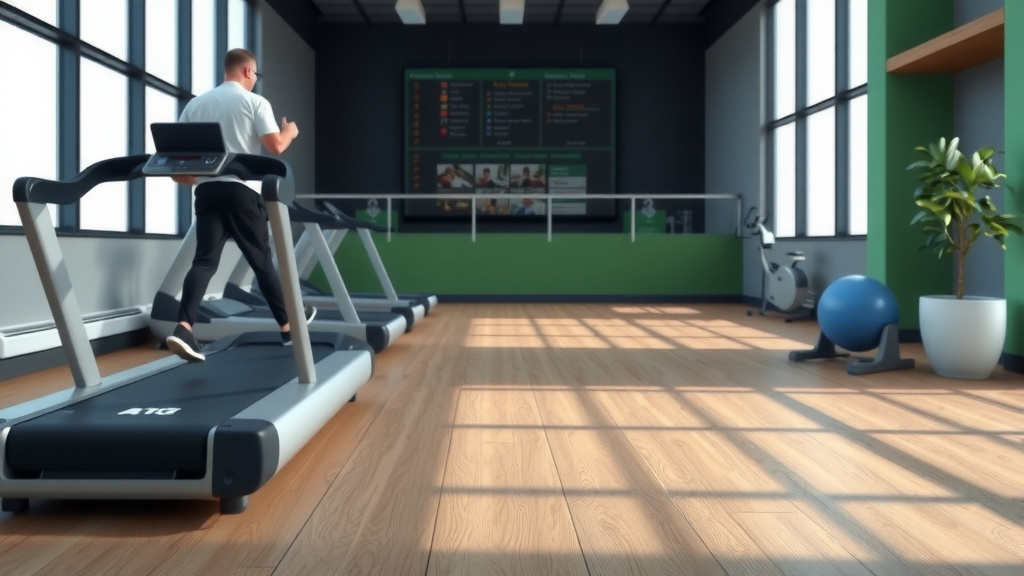
Comparing Backward vs. Forward Treadmill Use
It’s helpful to see the differences laid out. Let’s break down what you can expect.
| Feature | ATG Backwards Treadmill | Traditional Forward Treadmill |
|---|---|---|
| Primary Motion | Backward walking/running | Forward walking/running |
| Power Source | Self-powered (user movement) | Electric motor |
| Belt Type | Curved | Flat |
| Main Muscle Focus | Hamstrings, Glutes, Calves | Quadriceps, Hamstrings (lesser degree) |
| Impact Level | Lower | Moderate to High (depending on speed) |
| Control | User dictates speed | Pre-set or user-adjusted speed |
Is It Right for Your Workout Routine?
Consider what you want to achieve. If you’re looking to build more power in your legs, especially your hamstrings and glutes, this treadmill is a strong contender. If you need a low-impact cardio option due to joint pain, it’s worth exploring. For athletes, it offers a unique way to cross-train and improve overall athleticism.
Think about your current fitness level. While it’s low impact, it can still be challenging. You’re using muscles in a different way. Start slow and gradually increase your duration and intensity. Listening to your body is key.
Getting Started on the ATG Backwards Treadmill
If you decide to try it, here’s what to keep in mind:
- Start with a slow walking pace to get used to the motion.
- Focus on maintaining good posture.
- Gradually increase your duration.
- Don’t be afraid to try short bursts of faster movement.
- Pay attention to how your muscles feel afterward.
Conclusion
You’ve learned that the ATG Backwards Treadmill is more than just a novelty. It’s a self-powered, curved machine that focuses on strengthening your hamstrings and glutes. We found that its unique design offers a low-impact cardio option. It can also be a fantastic tool for improving balance and aiding in rehabilitation. If you’re looking to diversify your training and target underworked muscles, giving the ATG Backwards Treadmill a try could be your next smart fitness move. Start with a short session and pay attention to how your body responds.
Frequently Asked Questions
Is the ATG Backwards Treadmill difficult to use?
It can feel different at first. You’ll want to start with a slow walking pace. As you get used to the motion, you can gradually increase your speed. Most users find they adapt quickly within a few sessions.
Can I use this treadmill for regular cardio instead of walking forward?
Yes, you absolutely can. It provides an effective cardiovascular workout. You’ll be engaging different muscles, which can offer a fresh challenge and prevent workout plateaus.
Is the self-powered aspect really that much better?
The self-powered design means you can use it anywhere without needing an outlet. It also means the speed is controlled entirely by your movement. This can lead to a more natural and responsive workout experience.
Will running backward on this treadmill hurt my knees?
Research suggests that backward motion is often lower impact on the knees. This is because it shifts the emphasis away from your quadriceps. However, always listen to your body and start slowly, especially if you have existing knee issues.
Can this treadmill help with athletic performance?
Yes, it can significantly contribute to athletic performance. By strengthening your hamstrings and glutes, you build more power for sprinting and jumping. Improved balance and coordination from backward training are also beneficial for many sports.