How Accurate Is the Treadmill Distance? The Complete Truth About Treadmill Measurements
Have you ever wondered if those miles you’re clocking on the treadmill are actually real? You’re not alone. This is one of the most common questions I hear from gym-goers and home fitness enthusiasts alike. The truth is, treadmill distance tracking can be surprisingly unreliable, and understanding why matters more than you might think.
When you step onto a treadmill and watch that distance counter tick up, you might assume the machine is measuring your actual movement with precision. But here’s the thing—most treadmills are estimating, not measuring with scientific accuracy. Let me walk you through what’s really happening under the hood and why it matters for your fitness goals.
The Real Problem With Treadmill Distance Accuracy
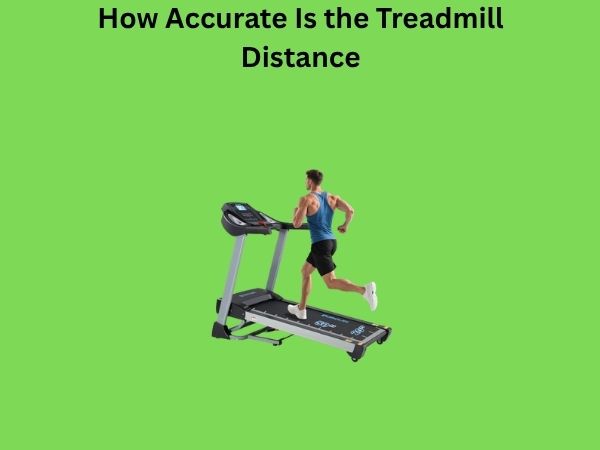
Most standard treadmills calculate distance based on belt rotation, not your actual foot placement. Think of it like this: if a treadmill belt completes one full rotation, the machine assumes you’ve moved forward by the belt’s circumference. But here’s where it gets tricky. The machine doesn’t actually know if you’re standing still, walking, or running—it just counts rotations.
This fundamental limitation means that treadmill distance readings can be off by anywhere from five to twenty percent, depending on several factors. Some machines are more accurate than others, but even premium equipment isn’t perfect.
Why Your Treadmill Might Be Lying to You
Several culprits contribute to inaccuracy in treadmill distance measurements. Let’s break them down so you understand exactly what’s affecting your numbers:
- Belt slippage and tension issues
- Worn-out belt surfaces that affect friction
- Improper calibration of the machine
- Running technique and gait variations
- Machine age and maintenance history
- Variations in belt speed consistency
Each of these factors can independently throw off your distance measurements, and when they combine, the error can compound significantly.
Understanding How Treadmill Distance Calculations Work
The Belt Rotation Method
This is the standard approach used by the vast majority of consumer and commercial treadmills. The machine has a sensor that counts rotations of the treadmill belt. Based on the belt’s length, it calculates how far you should have traveled with each complete rotation.
The formula is simple enough: distance equals the number of rotations multiplied by the belt circumference. But simple doesn’t mean accurate, especially when variables change.
Why Belt Length Estimation Fails
Here’s something most people don’t realize: treadmill manufacturers often estimate belt length rather than measuring it precisely during manufacturing. This means your machine might have a belt that’s slightly longer or shorter than what the computer thinks it is. A difference of just half an inch in belt circumference can add up to significant distance errors over time.
Additionally, belts stretch over time as they age and wear. A belt that was accurate when new might be measuring incorrect distances after a year or two of regular use. This stretching is gradual and almost imperceptible, but it compounds over thousands of rotations.
Comparing Different Treadmill Brands and Their Accuracy Levels
Not all treadmills are created equal when it comes to distance tracking. I’ve seen significant variations between budget models and premium equipment.
Budget Treadmills
Entry-level treadmills, typically priced under five hundred dollars, often have accuracy issues ranging from ten to twenty percent. These machines usually cut corners on sensors and calibration processes to keep costs down. If you’re using a budget treadmill, be prepared to take the distance readout with a grain of salt.
Mid-Range Equipment
Treadmills in the five-hundred to two-thousand dollar range generally perform better. Many have improved sensors and better belt quality, which means accuracy typically falls within five to ten percent of actual distance. This is still not perfect, but it’s much more reliable than budget options.
Premium and Commercial-Grade Machines
High-end treadmills and commercial gym equipment can achieve accuracy levels within two to five percent. These machines use better sensors, more durable belts, and more rigorous calibration procedures. However, even these don’t reach perfect accuracy due to the inherent limitations of the belt rotation method.
Factors That Impact Your Treadmill’s Accuracy Right Now
Your Running Form and Technique
This is where things get really interesting. Your individual running style affects how the treadmill measures your progress. If you lean heavily forward or backward, if you land with a heavy heel strike, or if you shuffle your feet, you might actually be covering less ground than the machine reports.
Think about it this way: the treadmill measures belt movement, but you’re moving relative to the belt. If you’re not making full use of each belt rotation—perhaps your stride is shorter than the belt assumes—you’re actually covering less real distance than what’s displayed.
Belt Maintenance and Condition
A well-maintained treadmill will be more accurate than a neglected one. If the belt is too loose, it can slip, causing the sensor to register rotations that don’t correspond to actual movement. If it’s too tight, it can cause friction issues that affect consistency. The sweet spot is just right, but maintaining that balance requires regular attention.
Age and Usage History
An older machine that’s been heavily used for years will likely be less accurate than a newer one. As components wear, sensors become less responsive, belts stretch and degrade, and calibration drifts. If your treadmill is five years old and you’ve used it regularly, you might be looking at a cumulative accuracy loss of ten to fifteen percent.
Environmental Factors
Temperature and humidity can affect belt performance. Cold environments make belts stiffer, while heat makes them more flexible. These changes can affect friction and rotation speed, which in turn affects distance calculations. This is why your treadmill might measure distances differently depending on the season or time of day.
Real-World Testing: What Studies Show
Several independent studies have examined treadmill accuracy, and the results consistently show the same pattern: most treadmills overestimate distance and calories burned. Researchers have found that treadmills commonly overestimate distance by five to ten percent on average, though outliers can be much worse.
One notable study tested fifteen different treadmills and found accuracy variations ranging from minus eight percent to plus twenty percent. That’s a huge spread, and it highlights just how variable the quality can be across different machines.
What’s particularly interesting is that more expensive machines didn’t always perform better in these tests. Some mid-range machines actually outperformed certain premium models, suggesting that price isn’t always a reliable indicator of accuracy.
How to Test Your Treadmill’s Accuracy
The GPS Comparison Method
One practical way to check your treadmill’s accuracy is to compare it with a GPS device. First, treadmill distance in a controlled way. Note the distance shown on your treadmill. Then, take the same route outdoors and measure it with a GPS watch or smartphone app.
Keep in mind that outdoor GPS isn’t perfect either, but modern GPS devices are generally accurate to within two percent, making them a reasonable benchmark for comparison.
The Calibration Check
Many modern treadmills have a calibration feature in their settings. Check your machine’s manual to see if yours does. Calibration typically involves walking or running at a known speed for a measured distance and allowing the machine to adjust its calculations based on actual versus reported values.
Manual Measurement Method
Here’s a low-tech approach that works surprisingly well. Mark a starting point on your treadmill belt with a piece of tape. Run the belt without stepping on it and count how many full rotations it takes to come back to your mark. Measure the belt length and calculate the circumference. Then multiply this by the number of rotations your treadmill claims for the same running session. Compare these numbers to see how far off your machine is.
Does Treadmill Accuracy Matter for Your Fitness Goals?
For Casual Fitness Enthusiasts
If you’re using a treadmill for general cardiovascular health and don’t need to track precise distances, the accuracy question matters less. You’re still burning calories and improving your fitness, regardless of whether you actually ran 3 miles or 3.2 miles. The relative consistency matters more than absolute accuracy—if your treadmill is always ten percent off, at least it’s consistently ten percent off.
For Serious Runners and Athletes
If you’re training for a race or monitoring specific distance milestones, treadmill accuracy becomes more important. Running 20 miles on a treadmill might actually be 18 miles of real-world running, which could significantly affect your training effectiveness. Serious athletes often supplement treadmill work with outdoor running to ensure their training matches real-world conditions and distances.
For Weight Loss and Calorie Tracking
Here’s something important: if your treadmill is overestimating distance by ten percent, it’s likely also overestimating your calorie burn by roughly the same amount. This matters if you’re depending on those numbers to manage your calorie deficit for weight loss. You might think you’ve burned 500 calories when you’ve actually burned 450, which could slow your progress.
Ways to Work Around Treadmill Accuracy Issues
Combine Treadmill with Outdoor Running
The best approach is to mix your training. Use the treadmill for convenience and specific workouts, but validate your fitness progress with outdoor running where distances are more precise. This also gives you the advantage of dealing with real-world terrain, wind resistance, and varied conditions that improve your overall fitness more than treadmill running alone.
Use Time-Based Metrics Instead of Distance
Rather than obsessing over distance, track your workouts by time and intensity. A twenty-minute treadmill session at a seven-mile-per-hour pace is a concrete measurement that doesn’t depend on distance accuracy. Monitoring your time, speed, and heart rate gives you meaningful data regardless of how the treadmill calculates distance.
Regular Maintenance Schedule
Keep your treadmill in top condition by following the manufacturer’s maintenance recommendations. Regularly check belt tension, clean the belt and deck, and have the machine serviced if it’s a commercial unit. A well-maintained treadmill will be significantly more accurate than a neglected one.
Invest in Heart Rate Monitoring
A chest strap heart rate monitor or fitness watch can give you more reliable data about the intensity of your workout than distance alone. Your heart rate is harder to fake than distance, making it a better indicator of workout effectiveness.
Technology Improvements in Modern Treadmills
Newer treadmill models are incorporating more advanced tracking methods. Some high-end machines now use accelerometers and more sophisticated sensors to improve accuracy. Connected treadmills that sync with fitness apps can cross-reference data and provide corrections based on user patterns.
However, these improvements come at a cost. If better accuracy is important to you, expect to pay a premium for machines with these features. The good news is that technology continues to evolve, and future treadmills may achieve significantly better accuracy than what’s currently available at mid-range prices.
Common Myths About Treadmill Distance
Myth: Incline Running Gives More Accurate Distance
Some people believe that running on an incline gives more accurate distance measurements. This isn’t supported by evidence. The distance calculation method remains the same regardless of incline—it’s still based on belt rotation. Incline affects the difficulty of your workout but doesn’t improve distance accuracy.
Myth: Expensive Treadmills Are Always Accurate
As mentioned earlier, price doesn’t guarantee accuracy. While expensive machines are generally more reliable, you’ll find variation even among premium brands. Do your research by reading reviews and looking for machines with adjustable calibration features.
Myth: All Treadmills Overestimate by the Same Amount
Distance errors are specific to each machine. One treadmill might be five percent off while another is fifteen percent off. This is why testing your individual machine matters more than relying on industry averages.
Making an Informed Decision About Your Treadmill Workouts
So, how accurate is treadmill distance? The honest answer is: not very, and it varies significantly depending on the machine, its maintenance, and how you use it. Most treadmills are probably off by somewhere between five and fifteen percent, though some are worse and a few are better.
This doesn’t mean treadmill running is worthless or that you should abandon them. It simply means you should be aware of the limitations and adjust your expectations accordingly. Use treadmills as tools for cardiovascular training and convenience, but don’t treat their distance measurements as gospel.
For serious distance tracking, supplement treadmill training with outdoor running where you can use GPS or measured courses. For casual fitness, focus on consistency and intensity rather than absolute distance. And regardless of how you use your treadmill, maintain it properly to maximize whatever accuracy it can offer.
Conclusion
Understanding treadmill distance accuracy has shown us that these machines are helpful tools but imperfect measurers. The belt rotation method they use has inherent limitations, and variables like maintenance, age, and individual running technique all affect the numbers displayed on the screen.
Your treadmill distance is likely overestimated by somewhere between five and twenty percent, depending on the machine’s quality and condition. This matters most if you’re training for specific distance goals or carefully tracking calories, but it’s less critical if you’re simply maintaining your cardiovascular fitness.
The key takeaway is this: don’t become a slave to treadmill distance numbers. Use them as relative guides rather than absolute truth. Combine your treadmill training with other measurement methods, maintain your equipment regularly, and focus on the factors you can control—like consistency, effort level, and progressive improvement over time. Your fitness gains are real regardless of what the distance counter says, and that’s what truly matters.
Frequently Asked Questions
Are all treadmills inaccurate, or can I find one that’s truly accurate?
While no treadmill is perfectly accurate, some are much better than others. Commercial-grade machines and high-end home treadmills typically achieve accuracy within two to five percent. However, even the best machines have limitations due to the belt rotation measurement method. Regular calibration and proper maintenance can help, but you’ll never get perfectly precise distance measurements from any treadmill.
Should I completely ignore my treadmill’s distance reading?
Not necessarily. While you shouldn’t treat treadmill distances as absolute truth, they’re still useful for relative comparisons. If your treadmill consistently measures the same way, you can track your improvement over time. The key is understanding that the numbers might be inflated, so use them for progress tracking rather than planning real-world running distances.
Why does my treadmill distance not match my GPS watch?
Your treadmill measures belt movement, while your GPS watch measures your actual geographic position. The treadmill can overestimate because it doesn’t account for your running form or the fact that you might not use the full belt length with each stride. GPS