55 vs 60 Inch Treadmill: Which Belt Size Should You Choose?
When you’re shopping for a treadmill, one of the first decisions you’ll encounter is choosing between different belt sizes. The debate between 55 and 60 inch treadmills might seem trivial at first glance, but this choice can significantly impact your workout experience, comfort level, and overall satisfaction with your equipment investment. Let me walk you through everything you need to know to make an informed decision.
Understanding Treadmill Belt Dimensions
Before we dive into the comparison, it’s important to understand what we’re actually talking about when we mention belt size. The belt dimensions refer to the running surface—that’s the part of the treadmill where your feet actually make contact as you walk, jog, or run. A 55 inch belt means the running surface stretches 55 inches in length, while a 60 inch belt gives you 60 inches of running real estate.
Think of it like the difference between a standard bed and a queen bed. Both serve the same purpose, but one gives you more space to move around. Similarly, both treadmill sizes will help you achieve your fitness goals, but the extra inches on a 60 inch model might make your workout feel more spacious and comfortable.
What These Measurements Really Mean for Your Workout
The Physical Space Factor
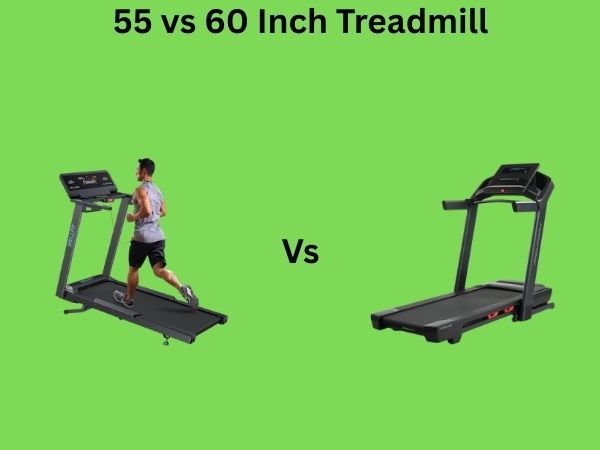
The primary difference between 55 and 60 inch treadmills is the length of the belt. That 5 inch difference might not sound like much, but when you’re running at a moderate or high speed, it becomes more noticeable. The longer belt on a 60 inch model provides you with additional buffer space at both the front and back of the running surface.
This extra space means you won’t feel like you’re cramped or running out of room. If you’re someone who tends to drift backward or forward during your run, or if you have a longer stride, those extra inches can prevent you from accidentally stepping off the edge of the belt.
Stride Length Considerations
Your natural stride length is a crucial factor in this decision. On average, a person’s stride length ranges from 24 to 30 inches per step, though this varies based on height, fitness level, and running style. If you’re on the taller side or you’re a runner with a naturally longer stride, the 60 inch belt becomes increasingly important.
- Shorter individuals (under 5’6″) can comfortably use either size
- Average height people (5’6″ to 6’2″) will find both sizes workable
- Taller individuals (over 6’2″) may prefer the 60 inch for peace of mind
- Athletes with extended strides benefit from extra belt length
Space and Home Installation
Your Home Gym Layout
Here’s something many people overlook: the overall footprint of the treadmill in your space. While the belt is only 5 inches longer on a 60 inch model, the total machine length can vary based on how different manufacturers design their equipment. Generally, you’re looking at roughly 5-7 additional inches of overall length when you upgrade from 55 to 60 inches.
This matters more than you might think. If your home gym space is already tight, fitting a 60 inch treadmill might require rearranging your entire setup. Some people have actually chosen the 55 inch specifically because it fits better in their apartment or spare bedroom without sacrificing too much functionality.
Doorway and Hallway Clearance
Before you commit to either size, measure your doorways and the hallways leading to your gym space. Treadmills are substantial pieces of equipment, and getting them into your home requires careful planning. A 60 inch treadmill might be impossible to fit through certain doorways or around tight corners in your house.
Cost Differences Between Belt Sizes
Price Point Variations
You might be thinking that a larger belt means a higher price tag, and you’d often be right. However, the cost difference between 55 and 60 inch treadmills typically ranges from $200 to $500, depending on the brand and model quality. For some budget-conscious buyers, this difference might sway their decision toward the 55 inch option.
But here’s the thing: if you’re buying a treadmill, you’re making an investment in your health. Spending an extra couple hundred dollars for better comfort during your workouts might be worth every penny if it means you’ll actually use the machine consistently.
Long-Term Value Assessment
When evaluating cost, consider how long you plan to use the treadmill. Will you keep it for five years? Ten years? If you’re serious about your fitness journey, investing in the size that better matches your needs could prevent buyer’s remorse down the road. There’s no point saving $300 today if you end up unhappy with your purchase and stop using it in six months.
Comfort and Performance During Exercise
How Belt Size Affects Your Confidence
Psychological comfort matters more in fitness than many people realize. When you’re on a treadmill that feels spacious and secure, you’re more likely to push yourself harder during your workouts. Conversely, if you feel cramped or worried about your footing, you’ll probably hold back, which limits the effectiveness of your training.
The 60 inch belt provides a psychological advantage. You can run with abandon, knowing you have ample space beneath your feet. This confidence translates into better workout performance and more enjoyable exercise sessions.
Impact on Running Form
Your running form can actually be influenced by belt length. When you feel constrained, you might alter your natural gait slightly to stay in the center of the belt. With a 60 inch belt, you can maintain your natural running posture without mental calculations about staying centered. This is especially important if you’re training for distance running or trying to build consistent running habits.
Who Should Choose the 55 Inch Treadmill?
Ideal Candidates for Smaller Belts
The 55 inch treadmill isn’t a compromise—it’s a perfectly adequate choice for many people. If any of these descriptions apply to you, the 55 inch might be the right fit:
- You have limited space in your home
- You’re shorter in stature with a naturally shorter stride
- Your budget is tight and every dollar counts
- You primarily walk rather than run
- You live in an apartment with access challenges
- You’re new to treadmill workouts and want to test the waters
The Walking and Light Jogging Advantage
If your primary activity on the treadmill will be walking or light jogging, a 55 inch belt is perfectly sufficient. Walking doesn’t require the same amount of belt real estate that running does. Your stride is shorter, your movements are more controlled, and you’re unlikely to hit the front or back of the machine accidentally.
Who Should Choose the 60 Inch Treadmill?
The Clear Winners for Larger Belts
If you fall into any of these categories, seriously consider upgrading to the 60 inch:
- You’re taller than average (above 6 feet)
- You’re an experienced runner with a quick cadence
- You plan to use the treadmill for serious training
- You want the maximum comfort and safety margin
- You have the space available in your home
- Long-term usage is definitely in your plans
The Runner’s Perspective
If you identify as a runner rather than a walker, the 60 inch belt becomes increasingly valuable. Running generates more forward momentum, faster foot turnover, and requires more space. The extra cushioning and belt length mean less wear on your joints and a more comfortable experience overall.
Motor Power and Belt Size Relationship
Do Larger Belts Need Stronger Motors?
Here’s an interesting technical consideration: a 60 inch belt typically requires a slightly more powerful motor than a 55 inch belt. The motor has to work a bit harder to move the longer belt surface, especially when you’re running at high speeds or inclines.
Most quality treadmills in either size range come with motors between 2.5 and 3.5 horsepower, which is plenty for most users. However, if you’re comparing specific models, check the motor specifications. A 60 inch treadmill with an underpowered motor might perform worse than a 55 inch with a robust motor.
Durability and Long-Term Wear
How Belt Size Impacts Longevity
The longer belt on a 60 inch treadmill does mean more material, but it doesn’t necessarily mean shorter lifespan. In fact, the longer belt spreads your impact across more surface area, which could theoretically distribute wear more evenly. However, the difference is minimal.
What truly impacts durability is maintenance. Whether you own a 55 or 60 inch treadmill, regular lubrication, proper use, and timely repairs will determine how long your machine lasts.
Special Considerations for Different User Types
For Walkers
If your primary goal is walking for health and fitness, either size will serve you well. You might even prefer the 55 inch because it’s more compact and typically more affordable. Walking doesn’t demand the extra belt space that running does.
For Runners
Runners should lean toward the 60 inch. Your stride is longer, your speed is faster, and you’ll appreciate the extra confidence that comes with the larger running surface. The 60 inch belt lets you focus on your workout rather than worrying about your position on the machine.
For Interval Training Enthusiasts
If you’re doing high-intensity interval training with sprints and fast transitions, the 60 inch becomes even more valuable. The rapid changes in direction and speed are easier to manage with extra belt space, and you’re less likely to accidentally step off during those intense bursts of effort.
Technical Features to Compare Beyond Belt Size
Don’t Get Tunnel Vision on Dimensions
While belt size matters, it’s not the only factor in choosing between two treadmills. Pay attention to these additional features:
- Cushioning system and shock absorption
- Console quality and display options
- Pre-programmed workout variety
- Incline range and decline capabilities
- Noise level during operation
- Warranty coverage and customer support
- Maximum user weight capacity
A 60 inch treadmill with poor cushioning is worse than a 55 inch with excellent impact protection. Make sure you’re evaluating the complete package, not just belt dimensions.
Testing Before You Buy
The Importance of Hands-On Experience
If possible, visit a fitness equipment showroom or gym that has both 55 and 60 inch treadmills. Actually run on them. Feel the difference. Your body will tell you what it prefers. Some people genuinely don’t notice much difference, while others immediately prefer the larger belt.
This real-world testing is invaluable. You might discover that the 55 inch feels perfectly comfortable for your needs, saving you money. Or you might realize that the extra space on the 60 inch is absolutely worth the investment.
Making Your Final Decision
A Practical Decision Framework
Here’s how I’d approach this decision:
- Measure your available space first—if 60 inches doesn’t fit, your decision is made
- Consider your height and stride length honestly
- Evaluate your budget realistically
- Think about your primary usage: walking, jogging, or running
- Test both sizes if you have the opportunity
- Look at the complete feature set, not just belt length
- Choose the option that makes you most excited to work out
Conclusion
The choice between a 55 and 60 inch treadmill ultimately depends on your individual circumstances, fitness goals, and living situation. Neither option is inherently “better”—they’re simply suited to different people and situations.
The 55 inch treadmill is an excellent choice if you’re space-conscious, budget-aware, or primarily interested in walking. It delivers solid functionality without overwhelming your home gym setup. The 60 inch treadmill, meanwhile, offers enhanced comfort, confidence, and accommodates longer strides better—making it ideal for serious runners and taller individuals.
Take your time with this decision. Consider all the factors we’ve discussed, test the machines if you can, and choose based on what will keep you motivated and consistent with your fitness routine. After all, the best treadmill is the one you’ll actually use regularly. Whether that’s a 55 or 60 inch model, you’re making a smart investment in your health and wellness.
Frequently Asked Questions
Is a 5-inch difference in belt length really noticeable during workouts?
The difference becomes more noticeable the faster you run and the longer your stride. For casual walkers, the difference is minimal. For serious runners, especially those over 6 feet tall, the extra 5 inches provides meaningful additional confidence and comfort. Most people won’t feel dramatically constrained on either size, but runners often prefer the psychological comfort of the larger belt.
Will a 60-inch treadmill fit through a standard doorway?
Most standard doorways are 32-36 inches wide, so treadmills must be tilted vertically to fit through. Both 55 and 60 inch treadmills can typically fit through standard doorways when properly angled, but you should measure your specific doorways and hallways. If you have particularly narrow doorways or sharp corners, measure before purchasing to ensure you can get the machine into your home.
Does belt length affect the impact on your joints?
Belt length itself doesn’t directly impact joint stress, but the cushioning system does. However, a longer belt distributes impact across more surface area, potentially providing very slightly better shock absorption. The quality of the treadmill’s cushioning technology matters far more than belt length for protecting your joints from impact-related injuries.
Can I use a 55-inch treadmill effectively for training for a marathon?
Yes, absolutely. A 55-inch belt is sufficient for marathon training if it meets your comfort needs. Many marathoners use this size successfully. However, if you’re concerned about space or comfort issues, a 60-inch model might enhance your training experience. The key is consistent practice, proper form, and gradual mileage buildup—all of which are possible on either belt size.
How much more does a 60-inch treadmill typically cost compared to a 55-inch?
The price difference typically ranges from $200 to $500, depending on the brand and model. Premium brands might have larger price gaps, while budget-friendly options might have smaller differences. Shop around and compare specific models rather than relying on general