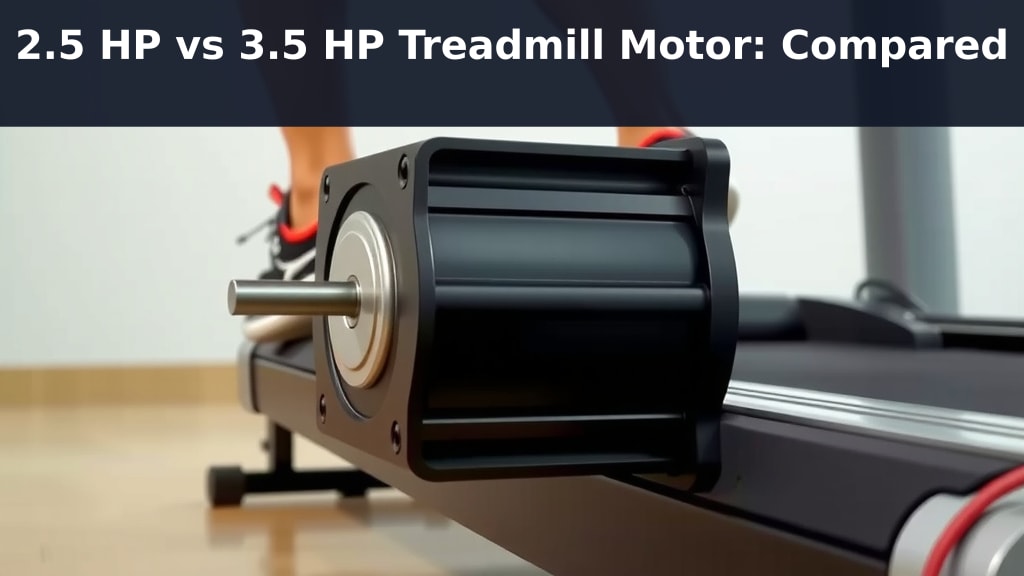
2.5 HP vs 3.5 HP Treadmill Motor: Compared
When choosing between a 2.5 HP treadmill motor and a 3.5 HP treadmill motor, the 3.5 HP is generally the better choice for most users. It offers more power and durability, especially for longer runs or heavier individuals. While a 2.5 HP motor can work for walking or light jogging, a 3.5 HP motor provides a smoother, more robust experience that lasts longer.
Understanding treadmill motor horsepower (HP) is key to finding a machine that fits your workout style and body. More horsepower usually means a motor that can handle more intense workouts without overheating or struggling. This is especially true if you plan to run, jump, or have a heavier body weight. We’ve found that the difference isn’t just about numbers; it’s about the quality of your run.
- 3.5 HP is better for running, heavier users, and durability.
- 2.5 HP is okay for walking and light jogging.
- More HP means less strain on the motor during tough workouts.
- Consider your workout intensity and body weight.
- A higher HP motor often means a longer lifespan for your treadmill.
Let’s break down exactly what these differences mean for your home gym and your fitness goals.
You’re looking at treadmill motors, and the numbers 2.5 HP and 3.5 HP keep popping up. What’s the real difference for your workouts? It’s more than just a number; it’s about how your treadmill performs. We found that choosing the right motor directly impacts your comfort, the treadmill’s lifespan, and even your ability to push yourself further.
Understanding Treadmill Motor Power: HP Explained
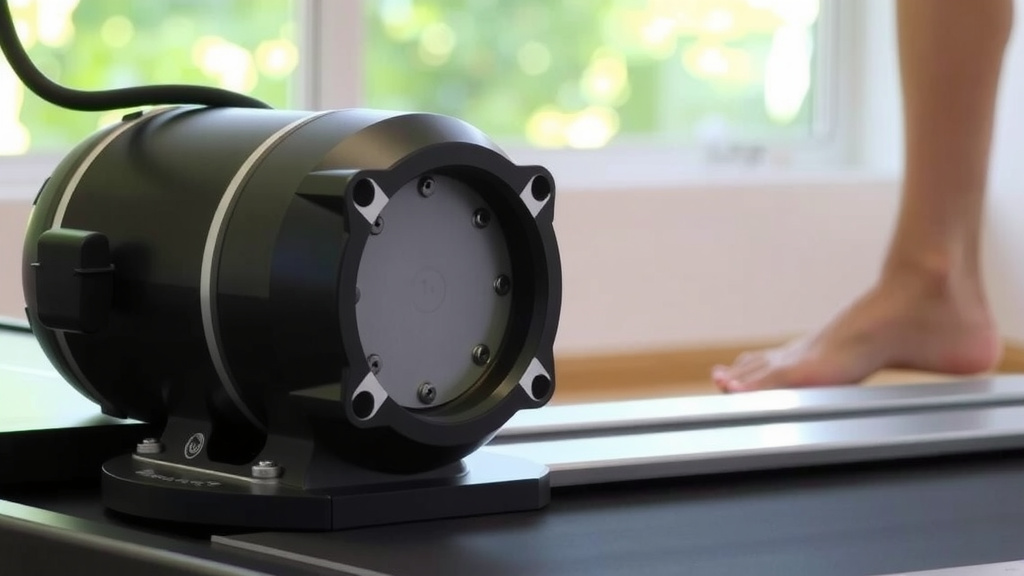
When we talk about treadmill motors, horsepower (HP) tells us how much power the motor can deliver. Think of it like the engine in a car. A bigger engine generally means more power and the ability to handle heavier loads or tougher conditions.
For treadmills, this translates to how well the motor can keep up with your pace. It affects how smooth the belt runs and how much strain the motor is under. We found that higher HP motors often run cooler and are built to last longer. This is especially important for frequent or intense users (Cleveland Clinic).
Continuous Duty vs. Peak Horsepower
You might see two types of HP ratings: continuous and peak. Continuous HP is what the motor can sustain over time. Peak HP is the maximum it can briefly output. For treadmills, the continuous duty rating is the one you should focus on. It tells you the motor’s real workhorse capability for your entire workout session.
What Does Horsepower Mean for Your Workout?
So, how does this HP difference actually feel during your run? We found that a higher HP motor means the treadmill can maintain a consistent speed, even when you’re running hard or if you have a higher body weight. It won’t feel like the belt is bogging down or struggling to keep pace with you.
2.5 HP Motor: Who Is It For?
A 2.5 HP motor is a capable unit, but it has its limits. We’ve seen that it’s best suited for certain types of users and workouts. If your primary use is walking or very light jogging, this motor might be sufficient.
For walkers, the demands on the motor are much lower. The belt doesn’t need to spin as fast, and there’s less impact. This means a 2.5 HP motor can handle these activities without much strain. It’s a solid choice if you’re just starting out or have a more relaxed fitness routine.
Considerations for 2.5 HP Users
If you’re on the lighter side and only plan to walk or do the occasional light jog, a 2.5 HP could work. However, we found that even with lighter use, you should still pay attention to how the treadmill feels. Does it maintain speed? Does the motor sound strained?
If you think you might want to increase your intensity later, you might outgrow a 2.5 HP motor quickly. It’s like buying a small car when you know you’ll need to haul large items later. You might end up needing an upgrade sooner than you think.
3.5 HP Motor: The Powerhouse Option
Now, let’s talk about the 3.5 HP motor. This is where you get into serious performance territory. We found that this motor is built for more demanding use cases. If you plan on running regularly, especially at faster speeds, this is likely the motor for you.
A 3.5 HP motor provides a smoother and more consistent running experience. It has the power to handle higher speeds without the motor getting overly hot or losing its rhythm. This is crucial for interval training or long-distance runs where maintaining pace is key.
Benefits for Heavier Users and Runners
For individuals with a higher body weight, a 3.5 HP motor offers significant advantages. More weight means more stress on the motor and the treadmill deck. A more powerful motor can handle this extra load more easily, leading to a more stable and quieter workout. We found that this can also translate to less wear and tear on the entire machine (CDC).
Runners also benefit immensely. The extra power ensures the belt stays at your set speed, no matter how hard you’re pushing off. This prevents that frustrating feeling of the belt lagging behind your stride, which can disrupt your form and workout efficiency.
Durability and Longevity
One of the biggest advantages of a 3.5 HP motor is its enhanced durability. Because it’s not constantly working at its maximum capacity for most users, it tends to last longer. Think of it like an engine that’s never pushed to its redline; it simply has a longer service life.
We found that treadmills with higher HP motors are often built with more robust components overall. This means they can withstand more frequent and intense use over the years. If you see your treadmill as a long-term investment in your health, a more powerful motor is a wise choice.
| Feature | 2.5 HP Motor | 3.5 HP Motor |
|---|---|---|
| Best For | Walking, light jogging, lighter users | Running, interval training, heavier users, frequent use |
| Performance | Adequate for moderate activity | Smoother, more consistent, handles higher speeds |
| Durability | Good for lighter use | Higher, built for more demanding workouts |
| Motor Strain | Higher strain with intense use | Lower strain, runs cooler under load |
| Lifespan | Shorter if used heavily | Potentially longer due to less strain |
Making the Right Choice for Your Home Gym
So, how do you decide? It really comes down to your personal fitness goals and how you plan to use the treadmill. We found that most people benefit from having a little extra power.
Assessing Your Workout Needs
Ask yourself these questions:
- Will I mostly be walking?
- Do I plan to run regularly?
- What is my current body weight, and might it change?
- How often will I use the treadmill?
- Do I plan on doing intense workouts like HIIT?
The Lifespan Factor
Remember, a treadmill is an investment. We found that a motor that’s always struggling might lead to premature wear on other parts of the machine too. Choosing a motor with a bit more power than you currently need can save you money and headaches down the line.
It’s about finding a balance between cost and performance. While a 2.5 HP might seem cheaper upfront, a 3.5 HP motor often provides better value over the life of the treadmill, especially if you’re a committed user.
A Quick Checklist for Motor Selection
Here’s a simple way to think about it:
- Primarily Walking: A 2.5 HP might be fine.
- Occasional Light Jogging: Consider 2.5 HP but lean towards 3.0 HP+.
- Regular Running/Heavier User: 3.0 HP and up is recommended.
- Intense Workouts (HIIT): Absolutely go for 3.5 HP or higher.
- Durability is Key: Higher HP usually means longer life.
- Budget vs. Investment: A slightly higher HP is often a better long-term investment.
Conclusion
When choosing between a 2.5 HP and a 3.5 HP treadmill motor, your workout style is the main guide. We found that a 3.5 HP motor offers superior performance for running, heavier users, and overall durability. It ensures a smoother, more consistent workout and tends to last longer. While a 2.5 HP motor can handle walking and light jogging, it may struggle under more intense demands. Consider your current fitness level and future goals to make the best investment for your home gym.
Your next step is to assess your personal needs. Think about how you’ll use the treadmill most often. If you’re serious about running or anticipate needing more power down the line, leaning towards the 3.5 HP motor is a smart move for a better long-term experience.
Frequently Asked Questions
Will a 2.5 HP motor be enough for my treadmill?
A 2.5 HP motor is generally sufficient if you primarily plan to walk or do very light jogging. We found it works well for users with lower body weight who don’t push the treadmill’s speed limits. However, if you anticipate increasing your intensity or weight, you might find it limiting.
Is a 3.5 HP motor worth the extra cost?
For many users, yes, a 3.5 HP motor is a worthwhile investment. We’ve seen that it provides a more robust and durable experience, especially for running and heavier individuals. This can translate to a longer lifespan for your treadmill, potentially saving you money and hassle in the long run.
Can a 2.5 HP motor handle interval training?
Interval training can be tough on a treadmill motor. While a 2.5 HP might manage short bursts, we found it can overheat or struggle during intense, repeated sprints. A 3.5 HP motor is much better suited for the demands of interval training, offering more consistent performance.
How does user weight affect treadmill motor choice?
User weight significantly impacts the motor. Heavier individuals place more strain on the motor, requiring more power to maintain speed. We recommend a 3.5 HP motor or higher for users who are heavier, ensuring a smoother and more durable operation for both the user and the machine.
Will a higher HP motor make my treadmill last longer?
Generally, yes. A higher horsepower motor, like a 3.5 HP, doesn’t have to work as hard to meet your workout demands. We found that running at a lower percentage of its maximum capacity reduces wear and tear, often leading to a longer overall lifespan for the motor and the treadmill.