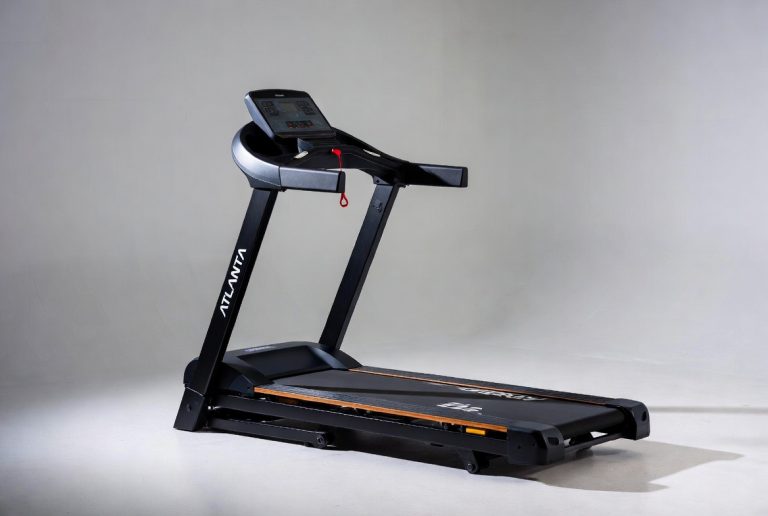
Finding Your Rhythm: How Fast is a Jog on a Treadmill?
When you step onto a treadmill for the first time, you’re probably staring at that digital display wondering what speed actually feels like a jog. Is it 4 miles per hour? 6? 8? The truth is, there’s no one-size-fits-all answer, and that’s actually good news for you. Let me break down everything you need to know about finding your perfect jogging pace on a treadmill.
Understanding What a Jog Really Means
Here’s something most people don’t realize: a jog isn’t defined by a specific number on the treadmill display. Instead, it’s all about how your body feels and how you’re moving. Think of it like cooking—a simmer isn’t a specific temperature, but rather a state where bubbles gently break the surface of your liquid. Similarly, a jog is a state of movement that falls somewhere between walking and running.
The distinction matters because what qualifies as a jog for a petite runner might feel like a leisurely walk for someone else. Your height, fitness level, age, and even your muscle composition all play roles in determining your ideal jogging speed.
The General Speed Range for Jogging
Most fitness experts agree that a typical jog on a treadmill falls somewhere between 4.0 and 6.0 miles per hour. But here’s where it gets interesting—that range is really just a starting point. Some people jog comfortably at 3.5 mph, while others find their rhythm at 7.0 mph. The key is finding where you personally transition from walking into that steady-paced, rhythmic movement we call jogging.
How Your Body Tells You You’re Jogging
Instead of obsessing over that speedometer, let me teach you how to read your body’s signals. When you’re truly jogging, you’ll notice a few telltale signs that you’ve hit that sweet spot.
Your Breathing Pattern Shifts
During a walk, you can carry on a full conversation without much effort. Once you start jogging, your breathing becomes noticeably heavier. You can still speak in short sentences, but you’re definitely working harder. If you can sing an entire song easily, you’re probably not jogging yet. If you can’t say more than a few words without gasping, you’ve likely crossed into running territory.
Your Feet Leave the Ground
This is the biomechanical difference that separates jogging from walking. During a walk, one foot is always touching the treadmill. When you jog, both feet actually leave the surface simultaneously for a brief moment. You might not think about this while moving, but if you watch yourself in a mirror, you’ll see that little moment of flight that defines a jog.
Your Heart Rate Increases Noticeably
Your heart should be working harder during a jog than during a walk, but it shouldn’t feel like you’re running an all-out sprint. A comfortable jogging pace typically elevates your heart rate to about 50 to 70 percent of your maximum heart rate. If you’ve got a fitness tracker or smartwatch, this is a great metric to monitor.
The Speed Sweet Spot for Different Body Types and Fitness Levels
Beginners and Those Returning to Exercise
If you’re new to treadmill jogging or haven’t exercised regularly in a while, start looking for your jog between 3.5 and 5.0 mph. This range gives your body time to adapt without overwhelming your cardiovascular system. Many beginners are surprised to learn that 4.0 mph feels reasonably challenging when you maintain it for 20 or 30 minutes straight.
Here’s my honest advice: don’t worry about matching someone else’s pace. That person next to you jogging at 7.0 mph might have been running for years. Your job is to find the speed where you feel like you’re working hard but could theoretically sustain this effort for a decent amount of time without collapsing into a heap.
Intermediate Joggers with Regular Experience
Once you’ve been jogging consistently for a few weeks or months, your comfortable pace probably falls between 5.0 and 6.5 mph. At this level, jogging feels natural and rhythmic. You’re breathing heavily, but you’re in control. You could maintain this speed for 45 minutes to an hour without it feeling impossible.
Many people find that their ideal sustainable jog is right around 5.5 to 6.0 mph. This speed hits a sweet spot where you’re definitely exercising but not pushing so hard that you dread getting on the treadmill.
Advanced Joggers and Experienced Runners
If you’ve been jogging regularly for months or years, you might find your comfortable jogging pace ranges from 6.0 to 8.0 mph or even faster. Some experienced joggers consider anything below 6.5 mph a leisurely jog and reserve speeds above 8.0 mph for their “running” workouts.
Factors That Influence Your Jogging Speed
Your Age and Life Stage
Age definitely plays a role, though not always in the way you’d expect. Yes, younger people often have higher aerobic capacities, but I’ve encountered 60-year-old joggers who put 30-year-olds to shame. The real factor is consistency and training, not just birthdays.
Your Overall Fitness Level
Someone who does strength training might handle higher treadmill speeds more easily than someone who’s never exercised. Your cardiovascular fitness, muscular endurance, and overall conditioning all contribute to the speed at which jogging feels comfortable.
Your Body Composition and Weight
Heavier individuals often find they need to start at slightly slower speeds, which makes complete sense—you’re moving more mass. That doesn’t mean you can’t eventually reach the same speeds as lighter joggers; it just might take a different progression path.
Your Height and Stride Length
Taller people naturally cover more ground with each stride. A 6’2″ jogger might feel comfortable at 6.5 mph while a 5’2″ jogger feels the same effort level at 5.5 mph. It’s all about your biomechanics, not your absolute ability.
Your Treadmill Incline
Here’s something many people overlook: the incline completely changes the equation. Jogging at 5.0 mph on a flat surface feels entirely different from jogging at 5.0 mph on a 2 percent incline. Adding incline is like running uphill, which demands more effort even at identical speeds.
How to Determine Your Perfect Jogging Speed
Start with a Warm-Up Walk
Before jumping into your jogging pace, always spend 3 to 5 minutes walking at a comfortable speed, around 2.5 to 3.5 mph. This prepares your body and gets your cardiovascular system ramped up.
Gradually Increase Speed Until You Feel the Shift
Start increasing speed by 0.5 mph every 30 seconds or so. Watch how your body feels. At some point, you’ll feel that transition where walking shifts into jogging. That moment—where you feel your feet lifting off the treadmill and your breathing changes—that’s your jogging zone entry point.
Test Sustainability
Once you think you’ve found your jogging speed, maintain it for at least 5 minutes. Can you hold this pace comfortably? If you’re gasping for air or your legs are screaming, you’ve probably jumped too high. If it feels too easy and you’re barely breathing harder than when walking, nudge it up slightly.
Use the Talk Test
Try speaking in short sentences. You should be able to say something like “I am jogging on the treadmill” but feel somewhat breathless afterward. If you can deliver a full paragraph without effort, speed up. If you can’t get out three words, slow down.
Common Mistakes People Make When Starting to Jog
Starting Too Fast
This is the number one mistake I see. Beginners think jogging means running hard, so they jump on the treadmill and punch in 6.5 mph or higher. Within minutes, they’re exhausted and frustrated. Remember, you’re building a sustainable habit, not auditioning for a marathon.
Ignoring Your Individual Baseline
Comparing your speed to others is a setup for disappointment. That Instagram influencer jogging at 8.0 mph for an hour might have been training for years. Your journey is unique, and your baseline is perfect for where you are right now.
Not Giving Your Body Time to Adapt
Your body needs time to develop the aerobic capacity, muscular endurance, and mental toughness for jogging. If you only jog once a week, progress will be glacial. Consistency matters far more than intensity when you’re starting out.
Neglecting Proper Form
Speed isn’t everything. Even if you’re moving at the “right” speed, poor form can lead to injury. Keep your shoulders relaxed, look ahead (not down), and let your arms swing naturally. Your posture should remain upright, not hunched forward.
Building Your Jogging Routine on the Treadmill
Week One: Finding Your Pace
Spend your first week experimenting. Do three or four treadmill sessions, each time finding and testing your comfortable jogging speed. Don’t worry about distance or duration yet—just get comfortable with the sensation of jogging.
Weeks Two to Four: Building Duration
Once you’ve identified your jogging speed, focus on maintaining that pace for longer periods. You might jog for 10 minutes in week two, 15 minutes in week three, and 20 minutes by week four. Even if progress seems slow, you’re building an aerobic foundation.
Month Two and Beyond: Adding Variety
After a month of consistent jogging, your body has adapted. Now you can add variety. Try interval training where you alternate between jogging and faster-paced segments. Add incline to increase intensity. Vary your duration from short intense sessions to longer easier jogs.
Understanding Treadmill Pace Versus Real-World Jogging
Here’s something that surprises many people: the speed you jog at on a treadmill often feels slightly different from outdoor jogging at the same speed. Treadmills give you a moving belt, so you’re not actually propelling yourself forward the same way you would outside. Additionally, outdoor jogging involves wind resistance and uneven terrain, both of which require extra effort.
Generally, outdoor jogging at the same speed feels 10 to 15 percent harder than treadmill jogging. So if you comfortably jog at 5.5 mph on your treadmill, you might find that outdoor jogging at the same pace feels noticeably more challenging initially. This is completely normal and nothing to be discouraged about.
The Role of Consistency in Finding Your Pace
Something magical happens when you commit to regular jogging: your comfortable pace naturally increases over time. That speed that felt impossibly hard in week one will feel moderate in month two. Your body becomes more efficient, your cardiovascular system strengthens, and jogging at higher speeds becomes achievable.
This is why I always tell people not to get too fixated on hitting a specific speed number. Instead, focus on being consistent. Show up three to four times per week, find a pace where you can sustain your effort, and let your body’s natural adaptation handle the rest.
Listening to Your Body and Avoiding Injury
Speed matters, but safety matters more. If you experience sharp pain in your knees, ankles, or shins, that’s your body sending a distress signal. Slow down or stop. If you’re constantly exhausted or struggling to recover between sessions, you’re probably pushing too hard.
Jogging should feel challenging but not painful. You should finish a session feeling worked but not completely wiped out. If you’re collapsing into your couch for two hours afterward, you’ve probably overdone it.
Conclusion
So, how fast is a jog on a treadmill? The answer is uniquely yours. While most people find their comfortable jogging pace somewhere between 4.0 and 7.0 mph, what matters most is finding the speed that works for your body, your fitness level, and your goals. Start with a warm-up walk, gradually increase your speed until you feel that shift from walking to jogging, and use the talk test to confirm you’re in the right zone. Remember that consistency matters far more than speed, and your comfortable jogging pace will naturally increase as your fitness improves. Most importantly, listen to your body, avoid the trap of comparing yourself to others, and embrace the journey of becoming a jogger. Your perfect pace is waiting for you—you just need to find it.
Frequently Asked Questions
What is the minimum speed considered a jog on a treadmill?
The minimum speed where most people experience the biomechanical shift from walking to jogging is around 3.5 to 4.0 mph. However, this varies based on individual factors like height and fitness level. The key indicator isn’t the number on the display but rather whether both your feet leave the ground simultaneously and your breathing noticeably increases.
Is 5 mph considered a jog or a walk?
At 5.0 mph, most people are definitely jogging. This speed typically produces the physiological responses associated with jogging—elevated heart rate, increased breathing, and that rhythmic bouncing motion. However, for very tall or very fit individuals, 5.0 mph might feel more like a comfortable walk. Use your body’s signals rather than the speed number alone.
Can I jog on a treadmill at 3 mph?
It’s possible to jog at 3.0 mph, particularly if you’re shorter, older, or just beginning your fitness journey. However, for most people, 3.0 mph feels more like a brisk walk than a true jog. If you want to jog at this speed, focus on the bouncing motion and elevated breathing rather than the treadmill speed itself.
How do I know if I’m jogging fast enough on the treadmill?
You’re jogging at an appropriate speed if you can speak short sentences but not carry on a full conversation easily, you notice both feet leaving the ground, your breathing is noticeably elevated, and you could theoretically maintain this pace for at least 20 to 30 minutes. If any of these conditions aren’t met, adjust your speed accordingly.
Will my jogging speed on a treadmill increase over time?
Absolutely. With consistent training three to four times weekly, your comfortable jogging speed typically increases by 0.5 to 1.0 mph every month during your first few months of training. This improvement comes from increased cardiovascular fitness, better muscular endurance, and improved neuromuscular efficiency. Be patient, stay consistent, and your body will naturally progress.
“`