Bowflex vs Sole Treadmill: Which to Choose?
Deciding between a Bowflex treadmill and a Sole treadmill depends on your specific fitness goals and budget. Generally, Sole treadmills offer a more robust build and commercial-grade features for serious runners, while Bowflex often provides innovative features and a strong focus on connected workouts at a potentially lower price point.
Both brands are well-respected in the home fitness world. You might be looking for a treadmill that can handle high-intensity interval training or one that offers guided workouts. We found that understanding the core differences will help you make the best choice for your home gym. Your perfect treadmill awaits!
- Sole: Durable, commercial-grade, excellent for runners.
- Bowflex: Innovative tech, connected workouts, potentially better value.
- Consider your training style and budget.
- Both offer quality machines for home use.
Let’s break down exactly what each brand brings to the table so you can choose the treadmill that’s right for you.
Choosing Your Perfect Treadmill: Bowflex vs. Sole Treadmills
So, you’re ready to bring the gym home with a new treadmill. That’s fantastic! You’ve narrowed it down to two great brands: Bowflex and Sole. Both are known for quality, but they offer pretty different experiences. Your choice really boils down to what kind of runner or walker you are and what you want from your machine. We’ve researched what makes each brand stand out, and we’re here to help you figure out which one fits your life best.
Understanding the Core Differences
When you’re comparing Bowflex and Sole, think about it like choosing between a sporty hatchback and a sturdy SUV. Both get you where you need to go, but they excel in different areas. We found that Sole treadmills often feel more like the gym equipment you’re used to. They are built tough and designed for serious training. Bowflex, on the other hand, often packs in more interactive technology and connected features, aiming for a more engaging workout experience.
The Case for Sole Treadmills
If your idea of a perfect run involves pounding the pavement (or belt!) for miles, Sole might be your perfect match. We’ve found they consistently offer robust construction. Many Sole models feature powerful motors and sturdy frames. This means they can handle frequent use and intense workouts without feeling shaky.
Built for Performance and Durability
What sets Sole apart is their focus on a commercial-grade feel. You’ll often notice heavier flywheels and thicker decks on Sole treadmills. This translates to a smoother, more stable run. Many experts suggest that a heavier machine offers a more comfortable and forgiving experience, especially for longer distances (National Academy of Sports Medicine).
What to Expect from Sole
Sole treadmills are designed to be your reliable training partner. They often include features that serious runners appreciate:
- Strong Motor Power: Look for models with at least 3.0 HP for consistent performance.
- Generous Cushioning: A good deck cushion can help reduce impact on your joints.
- Simple Controls: Easy-to-use buttons and clear displays are common.
- Long Warranties: Many Sole models come with excellent warranties, showing their confidence in durability.
While Sole does offer some interactive programming on certain models, it’s not always their primary focus. The emphasis is typically on the quality of the hardware itself.
The Bowflex Treadmill Experience
Bowflex has made a name for itself by blending fitness with technology. If you enjoy guided workouts, motivation, and seeing your progress tracked in real-time, Bowflex could be a fantastic fit. They often excel in providing an engaging, connected workout.
Innovative Features and Connectivity
Bowflex treadmills often come with integrated touchscreens that connect to their own fitness platforms, like JRNY®. This means you can access a variety of on-demand classes, scenic routes, and personalized coaching. We found that this focus on interactive content can really keep you motivated and prevent workout boredom.
What Bowflex Brings to Your Home Gym
When you choose a Bowflex, you’re often getting a machine that’s packed with modern features:
- Large Touchscreen Displays: For an immersive workout experience.
- Connected Fitness Platforms: Access to live and on-demand classes.
- Space-Saving Designs: Some Bowflex models offer folding capabilities.
- Varied Workout Programs: Beyond just cardio, some programs focus on strength or flexibility.
While Bowflex machines are generally well-built, they might not always match the sheer heft and commercial-grade robustness of some Sole models. However, for many users, the advanced technology and engaging interface are more than enough.
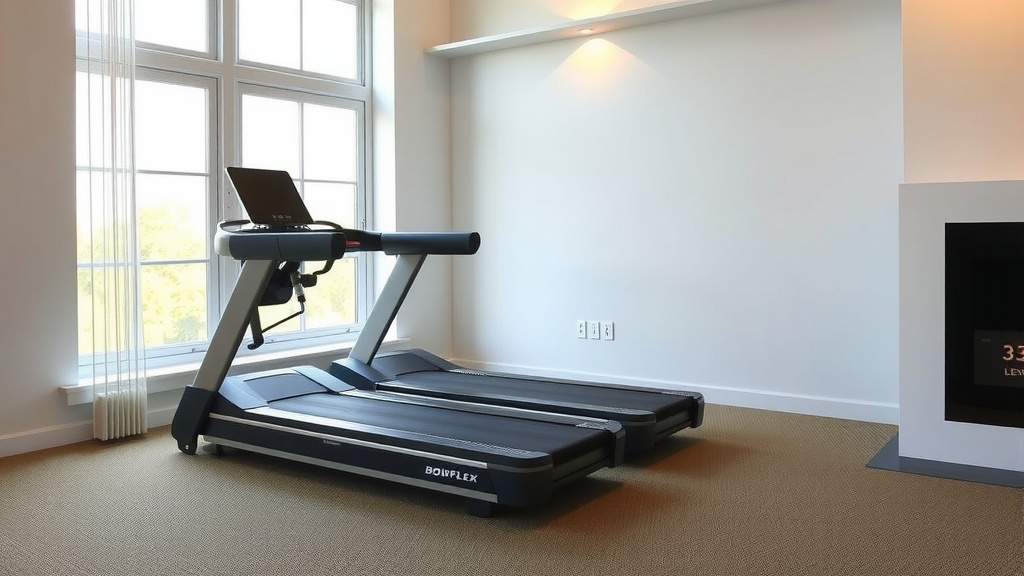
Key Comparison Points: Bowflex vs. Sole
Let’s lay out some of the main areas where these two brands differ. This comparison table should help you see the distinctions at a glance.
| Feature | Bowflex Treadmills | Sole Treadmills |
|---|---|---|
| Build Quality | Good, often lighter, some folding models available. | Excellent, very sturdy, commercial-grade feel. |
| Motor Power | Typically 3.0 CHP or higher on most models. | Often 3.5 CHP or higher, robust for intense use. |
| User Interface | Feature-rich touchscreens, integrated apps (e.g., JRNY®). | Clear, functional displays, fewer integrated interactive features. |
| Workout Variety | High with connected programs, scenic rides, and classes. | Standard programs, good for unguided training. |
| Price Point | Can offer good value for features, mid-to-high range. | Mid-to-high range, often reflecting build quality. |
| Target User | Those seeking interactive, tech-driven workouts. | Serious runners, walkers, and those prioritizing durability. |
Who Should Choose Which?
Your ideal treadmill depends entirely on your personal fitness journey. Ask yourself a few questions:
Are You a Runner or a Walker?
If you’re logging serious mileage, pushing for speed, or training for events, the durability and stability of a Sole treadmill might be more appealing. They are built to handle that kind of consistent, demanding use. Many experts suggest that a heavier, more stable treadmill is better for high-impact running (American College of Sports Medicine).
Do You Love Tech and Guided Workouts?
If you thrive on having a trainer in your ear, exploring virtual routes, or enjoy seeing your performance data synced across devices, a Bowflex with its connected fitness platform could be perfect. It turns your workout into an engaging experience rather than just a task.
What’s Your Budget and Space Like?
Consider your budget carefully. Both brands offer models at various price points. Also, think about your available space. Some Bowflex models are designed to be more space-efficient, which can be a big plus for smaller homes.
Making Your Final Decision: A Quick Checklist
Here’s a quick rundown to help you finalize your choice:
- Assess your primary use: Running, walking, HIIT, or casual jogging?
- Consider your need for tech: Do you want interactive classes or a simpler machine?
- Evaluate your space: Do you need a folding treadmill or have room for a larger unit?
- Check your budget: Both brands have options, but features vary.
- Read user reviews: Look for feedback on durability and customer service.
- Think about longevity: Which brand’s warranty gives you more peace of mind?
Ultimately, both Bowflex and Sole make excellent treadmills. By understanding these key differences and reflecting on your own fitness needs, you’ll be well on your way to picking the machine that will help you crush your goals right in your own home.
Conclusion
Choosing between a Bowflex and a Sole treadmill comes down to your personal fitness priorities. If you’re a dedicated runner or walker seeking a rock-solid, durable machine for serious training, Sole often takes the lead with its commercial-grade feel and robust construction. On the other hand, if you crave interactive workouts, motivational classes, and a tech-forward experience, Bowflex’s connected fitness platforms might be your ideal match. We found that both brands offer quality, but aligning the treadmill’s strengths with your training style is key. Take a moment to review your fitness goals and budget, and you’ll confidently select the treadmill that will best help you reach your home gym aspirations.
Frequently Asked Questions
Which treadmill is better for intense running?
For intense running, we found that Sole treadmills generally offer superior durability and stability. Their heavier frames and more powerful motors are designed to withstand the impact and consistent use that serious runners demand. Look for Sole models with higher CHP ratings and robust construction.
Can I get interactive classes on Sole treadmills?
While Sole’s primary focus is on hardware durability and performance, some of their newer models do incorporate integrated displays that can connect to fitness apps or offer basic workout programs. However, they don’t typically offer the same depth of integrated, subscription-based interactive content as Bowflex.
Are Bowflex treadmills good for heavy users?
Bowflex treadmills are generally built to be sturdy, but Sole treadmills often have a higher weight capacity and a more robust frame overall. If you are a heavier user or prioritize maximum stability, we suggest comparing the specific weight limits and build specifications of both brands.
Which brand is typically more budget-friendly?
This can vary depending on the specific models you compare, but Bowflex often aims to provide a strong feature set, including their connected technology, at competitive price points. Sole treadmills, due to their emphasis on commercial-grade construction, can sometimes be priced higher, reflecting that build quality.
Do either brand offer folding treadmills?
Yes, both brands have models that offer folding capabilities for easier storage. Bowflex has several popular folding models that are designed to save space. Sole also offers some folding options, but it’s important to check the specifications of individual models to confirm this feature.