Best Incline to Walk on a Treadmill
The best incline to walk on a treadmill for weight loss is typically between 5% and 12%. This range mimics natural uphill walking, engaging more muscles and burning more calories than a flat surface. Aim for an incline that feels challenging but sustainable for your workout duration.
Finding the right incline can really transform your treadmill workout. It’s not just about speed; a good incline adds intensity without necessarily increasing your heart rate to uncomfortable levels. Many experts agree that incorporating incline is a smart strategy for burning fat and improving cardiovascular health.
- For weight loss, aim for a 5-12% incline.
- Higher inclines burn more calories and engage more muscles.
- Listen to your body; find a challenging but sustainable level.
- Incline walking is a great way to boost your workout intensity.
Let’s walk through the different incline levels and find the perfect setting for your fitness goals.
You’re ready to take your treadmill walks to the next level! Adding incline can make a world of difference. It’s a simple adjustment that can boost your calorie burn and strengthen your leg muscles. But what’s the sweet spot for incline? Let’s find out.
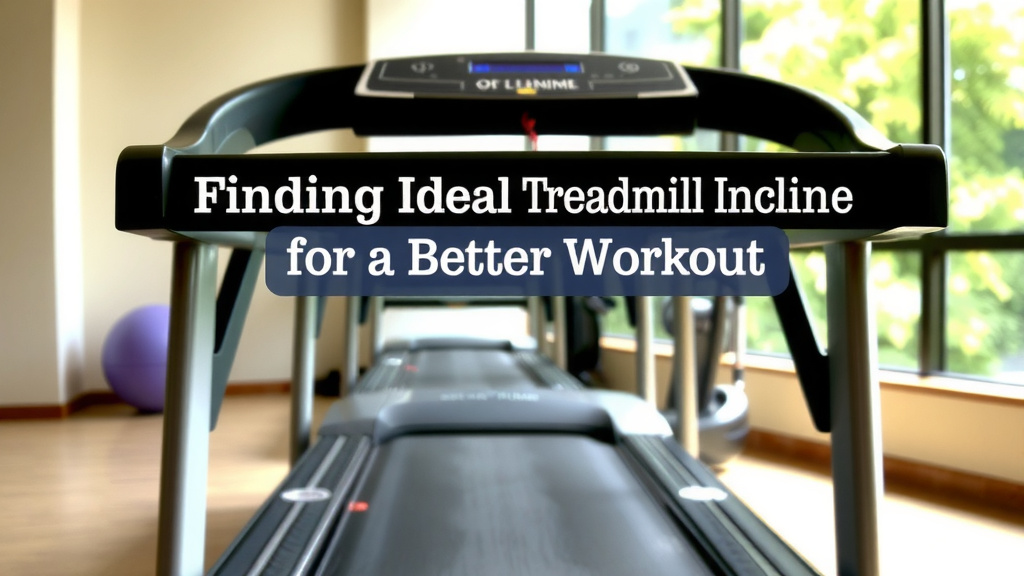
Finding Your Ideal Treadmill Incline for a Better Workout
The best incline for walking on a treadmill depends on your goals. For general fitness, a slight incline is a great start. If you’re aiming to burn more calories or lose weight, you’ll want to increase that incline. We’ll break down what each level can do for you.
Understanding Treadmill Incline Levels
Think of your treadmill incline like climbing a real hill. A flat surface is like walking on pavement. A small incline is like a gentle slope. A steep incline is like tackling a mountain! Each level engages your body differently.
Level 0% to 1%: The Flat Walk
This is your baseline. It mimics walking on a perfectly flat surface. It’s good for a warm-up or a cool-down. It’s also a good starting point if you’re new to exercise. You’re not working against much resistance here. It’s a comfortable pace for many.
Level 1% to 3%: A Gentle Boost
This range is like a slight incline on a sidewalk. It starts to engage your leg muscles a bit more. Many find this level comfortable for longer walks. It can increase your calorie burn slightly without feeling too strenuous. It’s a good way to build endurance.
Level 4% to 7%: The Moderate Hill Climb
Now you’re getting somewhere! This incline is where you’ll notice a significant increase in effort. It’s like walking up a moderate hill. Your glutes, hamstrings, and calves will work harder. You’ll also burn more calories per minute. This range is excellent for improving cardiovascular health. Many fitness experts recommend this level for a good, solid workout.
Level 8% to 12%: The Challenging Ascent
This is where the real calorie-burning and muscle-toning action happens. It mimics climbing a steep hill. Your heart rate will likely increase. You’ll feel your leg muscles working much harder. This level is fantastic for targeting your glutes and hamstrings. It’s also a great way to boost your metabolism. Be sure to listen to your body at this incline. It can be quite demanding!
Level 12%+ : The Mountain Trek
Going above 12% is like climbing a mountain. It’s very challenging. While it burns a lot of calories, it can put significant stress on your knees and ankles. For most people, especially those without prior experience or specific training, this level isn’t sustainable or necessary for great results. It’s best reserved for advanced users or those with specific training goals. Consult with a fitness professional before attempting these steep inclines.
Incline for Specific Fitness Goals
Your target incline really depends on what you want to achieve. Let’s look at some common goals.
Weight Loss and Fat Burning
For weight loss, the sweet spot is often between 5% and 12%. This range effectively increases your calorie expenditure. Research suggests that walking at an incline can burn up to twice as many calories as walking on a flat surface (NCBI). This higher burn rate is key to creating a calorie deficit needed for weight loss. Aim for workouts of 30 minutes or more within this incline range.
Cardiovascular Health Improvement
To boost your heart health, moderate inclines like 4% to 8% are very effective. This level raises your heart rate into the target zone. It strengthens your heart muscle over time. It can also help lower blood pressure. This is a sustainable way to improve your cardio fitness without the high impact of running.
Muscle Toning and Strength
If you want to tone your lower body, especially your glutes and hamstrings, aim higher. Incline levels from 7% upwards will really make those muscles work. You’ll feel it in your glutes, hamstrings, and even your calves. This is a fantastic way to build strength in your legs without lifting weights.
Creating Your Incline Walking Plan
You don’t have to stick to one incline. Variety is the spice of life, and it’s great for your fitness too!
The 30-Minute Incline Walk Example
Here’s a sample structure you can use:
- Warm-up: 5 minutes at 0% to 1% incline.
- Incline Push: 15 minutes at 5% to 8% incline. Find an incline that makes you breathe a bit harder but allows you to hold a conversation.
- Peak Intensity: 5 minutes at 10% to 12% incline. Really challenge yourself here!
- Cool-down: 5 minutes at 0% to 1% incline.
Progressive Overload with Incline
Just like with any exercise, you want to challenge yourself over time. This is called progressive overload. As you get fitter, you can gradually increase your incline. You could also walk for longer at a given incline. This keeps your body adapting and improving. It’s how you continue to see results.
Tips for Comfortable and Effective Incline Walking
Walking on an incline feels different. Here are some tips to make it a great experience.
Proper Posture is Key
Keep your head up. Look forward, not at your feet. Keep your shoulders relaxed. Don’t lean too far forward. Maintain a natural stride. Engage your core slightly. This helps you stay balanced and prevents strain.
Footwear Matters
Wear supportive athletic shoes. Good cushioning helps absorb impact. Proper fit prevents blisters and discomfort. Your shoes are your foundation, so make sure they’re up to the task.
Listen to Your Body
This is the most important rule! If you feel sharp pain, stop. Adjust the incline to a level you can manage. Soreness is normal, but sharp pain is not. It’s okay to start slow. You can increase the incline over time. Don’t push too hard too soon.
Hydration is Your Friend
You’ll likely sweat more with incline walking. Drink water before, during, and after your workout. Staying hydrated keeps your body functioning optimally. It also helps prevent muscle cramps.
Consider Your Treadmill’s Capabilities
Most treadmills can go up to 10% or 12% incline. Some higher-end models offer more. Always check your treadmill’s manual. Know its limits and what inclines it can safely achieve. Don’t force it beyond its capabilities.
Common Mistakes to Avoid
Let’s make sure you’re getting the most out of your incline walks.
- Holding the Handrails Too Much: This reduces the intensity and calorie burn. Try to walk without holding on, or only touch them for balance.
- Going Too Steep, Too Soon: Start with a manageable incline and build up gradually.
- Ignoring Discomfort: Pain is your body’s signal. Don’t push through it.
- Not Varying Your Workouts: Mix up your inclines and workout durations for best results.
- Forgetting to Warm-up and Cool-down: These steps prepare your body and aid recovery.
By understanding these different levels and following these tips, you can find the perfect incline for your treadmill walks. It’s a simple yet powerful way to make your workouts more effective and reach your fitness goals faster!
Conclusion
You’ve learned that the best treadmill incline is personal and goal-oriented. For weight loss and fat burning, aim for 5% to 12%. For cardiovascular health, moderate inclines between 4% and 8% are excellent. If muscle toning is your focus, try inclines from 7% upwards. Remember to listen to your body and gradually increase the challenge. Start implementing these findings into your routine today for a more effective and engaging workout!
Frequently Asked Questions
How quickly should I increase my treadmill incline?
Start with an incline that feels challenging but manageable. You can increase your incline by 1-2% each week or two. Focus on consistency before pushing for steeper climbs. This gradual approach helps prevent injury and builds endurance.
Is walking on a 12% incline too much for beginners?
A 12% incline is quite steep and can be too much for beginners. It’s best to start lower, perhaps around 4-5%, and gradually work your way up. Listen to your body; if you feel strain or pain, reduce the incline immediately.
Can treadmill incline help with knee pain?
For some, a moderate incline can actually be gentler on the knees than flat walking. This is because it engages the glutes and hamstrings more, taking some pressure off the knee joint. However, if you have existing knee issues, consult your doctor or a physical therapist first.
How long should I walk at a higher incline?
If you’re using higher inclines (8%+) for intense fat burning or muscle toning, aim for shorter durations within your overall workout. Try including 5-10 minute segments at these challenging levels. You can gradually increase the duration as your fitness improves.
Does treadmill incline burn more calories than running on a flat surface?
Yes, research and found that walking at a significant incline can burn as many or even more calories than running at a flat, moderate pace. The increased muscle engagement required to move uphill drastically boosts your calorie expenditure.