Belt vs Slat Treadmill: Which Is Right for You?
Choosing between a belt treadmill and a slat treadmill depends on your fitness goals and budget. Belt treadmills are the traditional choice for most home gyms, offering a familiar feel. Slat treadmills, though often more expensive, provide a unique, low-impact workout and are favored by athletes.
The main difference lies in the belt system. Belt treadmills use a single, continuous loop that glides. Slat treadmills use a series of interlocking, rubberized slats. This design impacts the feel of the run and the machine’s durability. Many users find slat treadmills more comfortable for long distances.
- Belt treadmills: Standard, versatile, and budget-friendly.
- Slat treadmills: Durable, low-impact, often preferred by athletes.
- Belt system is the key difference.
- Consider your workout needs and price range.
Let’s break down the pros and cons of each so you can make the best decision for your home gym.
Belt vs. Slat Treadmills: Making Your Choice
So, you’re looking to add a treadmill to your home gym. That’s fantastic! But navigating the options can feel a bit overwhelming. You’ve probably heard of belt treadmills, the kind you see in most gyms. Then there are slat treadmills, which are gaining popularity. What’s the real difference, and which one will be your perfect workout partner?
The main distinction boils down to how the running surface is constructed. It’s like comparing a smooth, continuous road to a path made of individual, sturdy paving stones. Both get you where you need to go, but the journey feels different. Let’s dive into what makes each type tick.
Understanding the Belt Treadmill
The belt treadmill is the **classic choice** for a reason. It’s what most people are familiar with. You step on, and a single, continuous loop of material moves beneath your feet. This belt glides smoothly over a deck. Think of it like a conveyor belt for your running shoes.
This design makes them very versatile. You can walk, jog, sprint, or do interval training. They are generally more affordable than slat treadmills. This makes them a **great starting point** for many home gyms. You’ll find a huge range of models, from basic to high-tech. This means you can likely find one that fits your budget and needs.
Pros of Belt Treadmills
- Familiar Feel: Most runners are used to how a belt treadmill feels. It’s predictable and comfortable.
- Variety: A wide range of models and price points are available. You have many options.
- Versatility: Suitable for walking, jogging, running, and high-intensity interval training.
- Space-Saving Options: Many foldable belt treadmills exist for smaller spaces.
Cons of Belt Treadmills
- Wear and Tear: The single belt can wear out over time and may need replacement.
- Impact: Can be harder on your joints over long runs compared to slat treadmills.
- Motor Strain: High-speed running can put more strain on the motor.
Exploring the Slat Treadmill Design
Now, let’s look at the slat treadmill. This is a bit different. Instead of one continuous belt, it uses a series of individual, interlocking rubber slats. These slats are mounted on bearings. They roll smoothly over a track. Imagine a tank tread, but designed for running.
This construction has a few key benefits. The slats are incredibly durable. They are built to withstand a lot of use. Many athletes prefer them for their **low-impact nature**. The rubberized slats absorb some of the shock with each stride. This can feel much easier on your knees and ankles.
The Science Behind Slat Comfort
The design of the slat treadmill isn’t just about durability; it’s about how it affects your run. The individual slats create a slightly different surface. They have a bit more “give.” This is why many runners find them more forgiving during longer workouts. It can feel like running on a cushioned track.
Research suggests that lower-impact exercises can be beneficial for **joint health and recovery**. This is especially important for people who have experienced injuries or have conditions like arthritis. The slat design helps reduce the repetitive stress associated with running. This can help you train longer and more consistently.
Pros of Slat Treadmills
- Durability: Built with robust materials, they tend to last a very long time.
- Low Impact: The rubber slats offer excellent shock absorption. This is gentler on joints.
- Natural Feel: Many users report a more natural running stride.
- Efficiency: Some studies suggest slat treadmills may encourage better running form.
Cons of Slat Treadmills
- Cost: Slat treadmills are typically more expensive upfront.
- Maintenance: While durable, some specialized maintenance might be needed.
- Noise: Depending on the model, they can sometimes be noisier.
- Weight: They are often heavier and less portable.
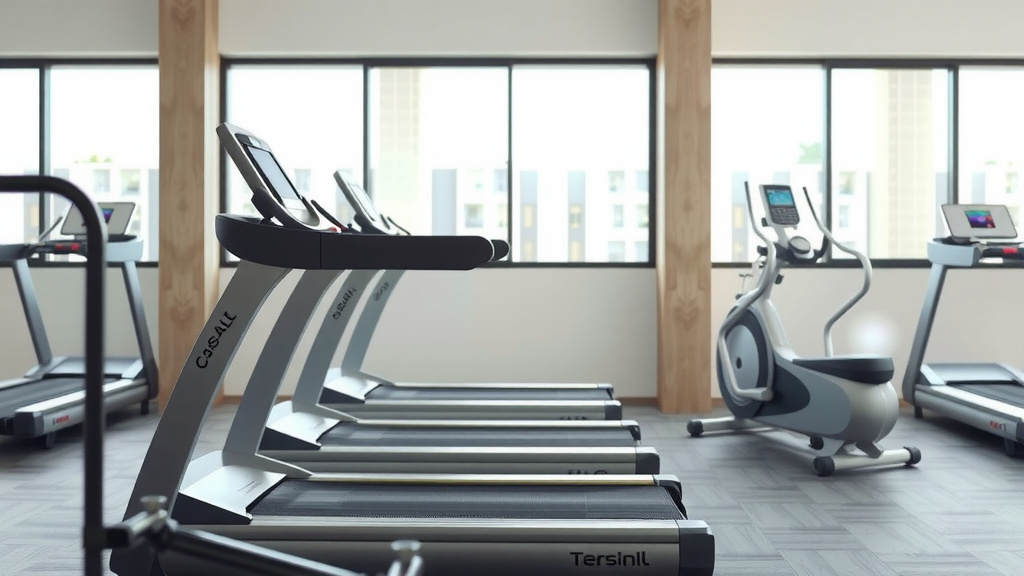
Direct Comparison: Belt vs. Slat Treadmills
To help you see the differences clearly, let’s put them side-by-side. Think about what matters most to you in a treadmill. Is it the price tag, the feel of the run, or how long it will last?
| Feature | Belt Treadmill | Slat Treadmill |
|---|---|---|
| Running Surface | Single continuous belt | Interlocking rubber slats |
| Impact Level | Moderate to High | Low |
| Durability | Good, but belt can wear | Excellent, built to last |
| Cost | Generally Lower | Generally Higher |
| Feel | Familiar, smooth | Cushioned, natural |
| Ideal User | Beginners, general fitness | Athletes, endurance runners, joint-sensitive individuals |
Who Should Choose Which?
If you’re just starting your fitness journey or have a tighter budget, a **belt treadmill** is likely your best bet. They offer a wide range of options to get you moving. For general fitness, walking, and moderate running, they perform wonderfully. They are also easier to find in stores and online.
However, if you’re a serious runner, an athlete training for events, or someone who experiences joint pain, a **slat treadmill** might be a worthwhile investment. The reduced impact can make a big difference in your ability to train consistently. Many professional athletes and physical therapists recommend them. The durability also means it could be the last treadmill you ever need to buy.
Making Your Final Decision: A Checklist
Before you click “add to cart,” take a moment to consider these points:
- Your Budget: How much are you comfortable spending?
- Your Fitness Goals: Are you walking, jogging, or training for a marathon?
- Joint Health: Do you have any knee, hip, or ankle sensitivities?
- Expected Usage: Will you use it daily for long runs or a few times a week for shorter workouts?
- Space Available: Do you need a foldable model or do you have dedicated space?
- Long-Term Investment: Are you looking for a machine that lasts for many years?
Conclusion
You’ve learned the core differences between belt and slat treadmills. Belt treadmills are your reliable, budget-friendly choice for general fitness. They offer familiarity and wide options. Slat treadmills are a premium investment for serious athletes and those prioritizing joint health. Their durability and low-impact design can make a big difference in your training consistency. Now, armed with this knowledge, consider your personal fitness goals, budget, and any joint concerns. This will guide you to the perfect treadmill for your home gym.
Frequently Asked Questions
Are slat treadmills really better for my joints?
Yes, research and user reports suggest slat treadmills offer a lower-impact workout. The rubberized slats absorb more shock with each step. This can significantly reduce stress on your knees, hips, and ankles compared to traditional belt treadmills.
Can I use a belt treadmill for marathon training?
You absolutely can use a belt treadmill for marathon training. They are very versatile for various running intensities. However, if you experience joint pain or want to minimize wear and tear on your body during high mileage, a slat treadmill might offer additional comfort.
Which type of treadmill is more durable long-term?
Slat treadmills are generally considered more durable in the long run. Their construction with robust, interlocking slats is designed to withstand heavy use for many years. While belt treadmills are good, the continuous belt can wear out and may eventually need replacement.
How do the costs compare between belt and slat treadmills?
Belt treadmills typically have a lower entry price point, making them more accessible for many home gyms. Slat treadmills are usually a more significant upfront investment. The higher cost reflects their advanced construction, durability, and specialized benefits for athletes.
Is a slat treadmill quieter than a belt treadmill?
The noise level can vary by model for both types. However, some users find slat treadmills can be slightly noisier due to the mechanics of the rolling slats. This is something to consider if noise is a major concern for your home environment.