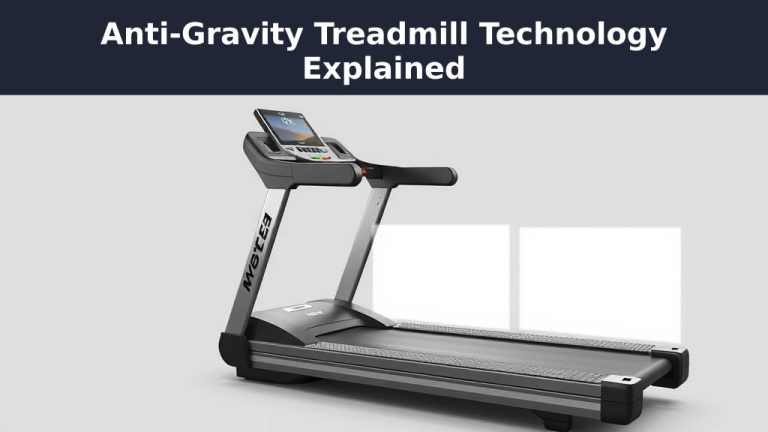
ATG Training Philosophy Explained
The ATG Training Philosophy is a hands-on, results-driven approach focused on helping individuals and teams achieve specific, measurable goals. It’s less about theory and more about practical application to drive real-world performance improvements. Think of it as a personal trainer for your professional development.
We found that this philosophy emphasizes continuous learning and adaptation, ensuring that skills remain relevant and effective. It’s designed to build confidence and competence through repeated practice and feedback. It’s about building capabilities that stick.
- The ATG Training Philosophy is about practical, goal-oriented learning.
- It focuses on measurable results and real-world application.
- Expect a heavy dose of hands-on practice.
- The aim is to build lasting skills and confidence.
Let’s dive into what makes this training philosophy so effective and how you can benefit from it.
Understanding the Core Principles of ATG Training
So, what exactly makes the ATG training philosophy tick? It’s built on a foundation of practical application and measurable progress. Think of it like learning to ride a bike. You don’t just read about it; you get on and pedal, falling a few times, but eventually, you’re cruising. ATG training mirrors this hands-on approach for professional skills.
The central idea is simple: learn by doing. This means you’ll spend more time actively engaging with the material than just listening or reading. We found that this active participation leads to much quicker and more effective skill acquisition.
The “Why” Behind the ATG Approach
You might be wondering why this practical method is so popular. It’s about building capabilities that stick. Many traditional training methods can feel a bit like cramming for a test. You learn it, you pass, and then it fades away. ATG training aims to prevent that.
The goal is to move beyond just theoretical knowledge. You’re meant to gain real-world competence. This is crucial for any professional looking to make a tangible impact in their role. We’ve seen countless individuals benefit from this focus on actionable skills.
Focus on Measurable Outcomes
One of the defining features is the emphasis on measurable results. You won’t just complete a course; you’ll be able to demonstrate what you’ve learned. This could be through specific projects, performance metrics, or successfully applying a new technique in your daily work.
This focus helps you see your own progress clearly. It provides tangible evidence of your growth. Many experts agree that clear metrics are key to maintaining motivation and ensuring training efforts are effective (Harvard Business Review).
The Power of Repetition and Feedback
ATG training heavily relies on repeated practice. It’s through doing something over and over that your brain truly learns and adapts. Think of a musician practicing scales. They repeat them until they become second nature.
Coupled with repetition is constructive feedback. You’ll receive guidance on what you’re doing well and where you can improve. This feedback loop is vital for refining your skills and building confidence. It helps you avoid reinforcing bad habits.
Key Components of ATG Training in Action
Let’s break down what this actually looks like for you. It’s more than just a training program; it’s a methodology designed to build competence efficiently.
Hands-On Practice Sessions
This is where the rubber meets the road. You’ll be actively participating in exercises, simulations, or real-world tasks. The learning happens in the moment, as you are trying to apply new knowledge or skills.
For example, if you’re learning a new software tool, you won’t just watch a demo. You’ll be given tasks to complete using the tool. This direct experience is incredibly powerful for skill development.
Real-World Scenarios and Case Studies
The training is designed to mirror the challenges you’ll face in your job. You’ll work through scenarios that are relevant to your industry or role. This makes the learning immediately applicable.
Case studies are often used to illustrate how concepts work in practice. You get to see how others have tackled similar problems. This provides valuable context and real-world examples. We found this is especially helpful for understanding complex situations.
Actionable Takeaways and Application
At the end of each session or module, you should have clear, actionable steps you can take. The aim is not just to understand, but to *do*. You’ll leave with strategies you can implement right away.
This focus on actionable takeaways ensures that the training isn’t just an academic exercise. It’s a practical guide for improving your performance. You should feel ready to apply what you’ve learned.
Continuous Learning and Adaptation
The world of work is always changing. ATG training recognizes this by encouraging a mindset of continuous learning. It’s not a one-and-done situation. You’re equipped to keep growing.
This philosophy helps you stay relevant and effective. By focusing on adaptability, you can better navigate new challenges and opportunities. It prepares you for what’s next, not just what’s now.
Comparing ATG Training to Traditional Methods
It can be helpful to see how ATG training stacks up against more traditional approaches. This might help you decide if it’s the right fit for your needs.
| Feature | ATG Training Philosophy | Traditional Training Methods |
|---|---|---|
| Focus | Practical application, measurable results | Theoretical knowledge, broad understanding |
| Learning Style | Hands-on, active participation | Lectures, readings, passive observation |
| Outcome | Actionable skills, demonstrable competence | Information acquisition, general awareness |
| Feedback | Frequent, specific, corrective | Often limited or delayed |
| Adaptability | Built-in for continuous improvement | Can become outdated quickly |
Why Choose a Hands-On Approach?
For many skills, especially those requiring technical proficiency or complex problem-solving, hands-on training is superior. Research suggests that active learning methods lead to better retention and understanding than passive ones (Journal of Educational Psychology).
When you’re actively involved, your brain engages differently. You’re processing information in a more dynamic way. This leads to a deeper understanding and a greater ability to recall and apply what you’ve learned later on.

Who Benefits Most from ATG Training?
This training philosophy isn’t just for one type of person or role. Its adaptable nature means many professionals can gain from it. If you’re looking to improve specific skills and see tangible results, this is for you.
Individuals Seeking Skill Enhancement
Are you looking to master a new software? Improve your public speaking? Become a better negotiator? If you have a specific skill you want to develop, ATG training provides a direct path. It’s about targeted improvement.
Teams Aiming for Performance Gains
Companies often use this approach to boost team performance. When an entire team is trained using practical, goal-oriented methods, the collective impact can be substantial. It aligns everyone towards common objectives.
Leaders Focused on Development
If you’re in a leadership role, understanding this philosophy can help you choose the right training for your team. It’s about investing in development that yields real business outcomes. You want training that produces results.
Getting Started with ATG Training Principles
Ready to experience the ATG training difference? It’s about more than just signing up for a course. It’s about adopting a mindset focused on action and results.
Here’s a quick checklist to get you thinking about applying these principles:
- Identify one specific skill you want to improve.
- Seek out training that emphasizes hands-on practice.
- Ask for clear, measurable goals for your learning.
- Request regular, actionable feedback.
- Commit to practicing the skill regularly.
- Look for opportunities to apply the skill in real situations.
Conclusion
You’ve seen how the ATG Training Philosophy moves beyond theory. It’s all about hands-on practice and achieving measurable results. This approach builds real competence that sticks with you. You’ll gain confidence by doing, not just by listening. Ready to put this into action? Identify one skill you want to improve this week and look for opportunities to practice it actively.
Frequently Asked Questions
What’s the biggest difference between ATG training and a typical lecture-style class?
The biggest difference is the focus on active participation versus passive learning. ATG training involves you doing the work, like practicing a skill or solving a problem. Traditional lectures often involve listening and taking notes, with less direct application during the session.
How does ATG training ensure the skills learned are actually useful in my job?
ATG training uses real-world scenarios and case studies that directly mirror your job challenges. You learn by applying concepts to situations you’ll likely encounter. This makes the training immediately relevant and applicable to your daily tasks.
Is ATG training only for technical skills, or does it apply to soft skills too?
ATG training is effective for both technical and soft skills. You can practice public speaking through simulations or improve negotiation tactics with role-playing. The core principles of hands-on practice and feedback apply broadly to skill development.
What should I do if I’m not getting enough feedback during an ATG-style training session?
Don’t hesitate to ask for specific feedback. You can ask your trainer or peers questions like, “What could I have done better in that scenario?” or “Can you show me a more effective way to do this?” Being proactive ensures you get the guidance you need.
Can I apply ATG principles to my own self-directed learning?
Absolutely! When learning on your own, focus on active practice rather than just reading or watching. Set clear goals for what you want to achieve and seek out opportunities to apply what you learn immediately. Regular self-assessment helps too.