2.5 Speed on Treadmill: Steps Per Minute Guide
Finding the right treadmill speed is key to getting a good workout. A 2.5 mph speed on a treadmill is generally considered a brisk walking pace. This speed is great for moderate cardio and can be adjusted based on your personal fitness level.
It’s not too fast for beginners but offers enough challenge for many. Understanding your steps per minute at this speed helps you gauge your effort and track your progress effectively. Many people wonder about the optimal pace, and 2.5 mph is a common starting point.
- 2.5 mph is a brisk walk.
- It’s good for moderate cardio.
- Adjust speed for your fitness level.
- Steps per minute help track progress.
Let’s break down what steps per minute mean at this speed and how you can use it to your advantage during your next treadmill session.
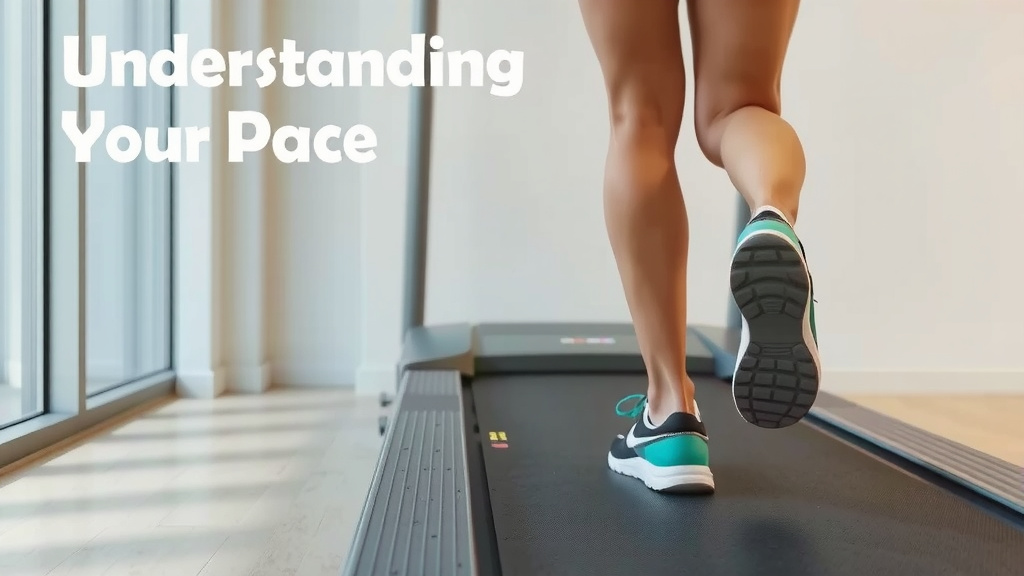
“`htmlUnderstanding Your Pace: 2.5 MPH Treadmill Speed and Steps Per Minute
So, you’ve set your treadmill to 2.5 mph and are wondering what that means for your workout. This speed is a fantastic place to be for many fitness goals. It’s often described as a brisk walking pace. You might be moving at about 100 steps per minute or even more, depending on your stride length.
This pace allows you to get your heart rate up without feeling completely out of breath. It’s a sweet spot for many people who want a good cardiovascular workout. We’ll help you figure out how your steps per minute fit into this. This will make your treadmill sessions more effective.
What Does 2.5 MPH Mean for Your Workout?
A 2.5 mph speed on the treadmill is generally considered a moderate-intensity exercise. This means you should feel like you’re working, but you can still hold a conversation. It’s a pace that offers benefits without being overly taxing for most individuals.
Many fitness experts suggest that moderate-intensity aerobic activity should be done for at least 150 minutes per week (CDC). A 2.5 mph pace can help you reach this goal efficiently. You’re getting your body moving and your blood pumping.
Is 2.5 MPH Good for Beginners?
Absolutely! If you’re new to treadmill workouts or returning after a break, 2.5 mph is an excellent starting point. It feels natural and manageable. You can focus on your form and breathing without feeling overwhelmed by the speed.
Many beginner programs start with walking at this pace. It allows your body to adjust to the movement. You can gradually increase the duration or speed as you get fitter. It’s all about building a solid foundation.
Benefits of Walking at 2.5 MPH
Walking at 2.5 mph offers a variety of health advantages. For starters, it’s great for your cardiovascular health. Regular brisk walking can help strengthen your heart and improve blood circulation. This can lower your risk of heart disease.
It’s also a low-impact exercise. This means it’s easier on your joints compared to running. If you have knee or ankle issues, this pace can be a more comfortable way to get your cardio in. You can still achieve significant health benefits without the pounding.
Furthermore, walking at this speed can aid in weight management. Burning calories is essential for weight loss or maintenance. A consistent routine at 2.5 mph contributes to your daily calorie expenditure. Combined with a healthy diet, it’s a winning strategy.
Your Steps Per Minute at 2.5 MPH
Now, let’s talk about steps per minute (SPM). This metric tells you how many steps you take in 60 seconds. It’s a fantastic way to quantify your effort. Your SPM can indicate how hard you’re working, even at the same treadmill speed.
At 2.5 mph, your steps per minute will vary. It depends on your natural stride length and how actively you swing your arms. However, a general range we often see is between 90 to 120 steps per minute. Some might be slightly lower, others a bit higher.
Why Track Steps Per Minute?
Tracking your SPM adds another layer to your workout data. It helps you understand the quality of your movement. Are you taking short, choppy steps? Or are you moving with a longer, more efficient stride?
This metric can help you optimize your gait. A longer stride at the same speed means you’re covering more ground with each step. This can make your workout more challenging and effective. It also encourages better posture and movement.
Your SPM can also be a good indicator of your effort level. If you feel like you’re working hard but your SPM is lower than usual, you might need to adjust your stride. Conversely, if your SPM is high but you feel comfortable, you might be able to increase the speed slightly.
Factors Influencing Your Steps Per Minute
Several things affect how many steps you take per minute at 2.5 mph:
- Stride Length: Taller individuals naturally have longer strides. Shorter individuals will take more steps to cover the same distance.
- Arm Swing: A more active arm swing can increase your cadence. It helps propel you forward and can increase your SPM.
- Body Mechanics: How you naturally move your legs and hips plays a role. Some people are naturally quick steppers.
- Incline: If you add an incline, your stride might change. You might take shorter steps to maintain balance.
Don’t worry too much if your SPM seems different from someone else’s. The goal is to find what works for you. Consistency is key.
How to Measure and Improve Your Steps Per Minute
Most modern treadmills have a display that can show your SPM. If yours doesn’t, you can easily track it manually. Simply count your steps for 15 seconds and multiply by four. Or use a fitness tracker or smartwatch.
To improve your SPM and make your 2.5 mph walk more effective, focus on a few things. Try to take longer strides. Imagine reaching your foot a bit further forward. Engage your core muscles to help with stability.
Also, pay attention to your arm swing. A good, strong arm pump can naturally increase your cadence. Swing your arms naturally, bending at the elbow. Keep your movements fluid and coordinated with your legs.
Putting It All Together: Your 2.5 MPH Treadmill Session
Here’s a quick checklist to help you maximize your 2.5 mph treadmill workout:
- Set your treadmill to 2.5 mph.
- Check your steps per minute. Aim for a range that feels challenging but sustainable for you.
- Focus on taking longer, smoother strides.
- Incorporate a natural, energetic arm swing.
- Maintain good posture with a tall spine.
- Adjust incline or duration as needed for your fitness goals.
Remember, the best workout is one you can stick with. A 2.5 mph pace is a solid foundation for building your fitness. By paying attention to your steps per minute, you’re adding a smart layer to your training. You’re not just walking; you’re walking with purpose!
| Treadmill Speed (MPH) | Estimated Steps Per Minute (SPM) | Intensity Level |
|---|---|---|
| 2.0 | 80 – 100 | Gentle Walk |
| 2.5 | 90 – 120 | Brisk Walk |
| 3.0 | 100 – 130 | Brisk Walk / Light Jog |
| 3.5 | 110 – 140 | Light Jog |
This table gives you a general idea. Your personal SPM might fall outside these ranges. That’s perfectly okay! It’s a guide, not a rigid rule. The key is consistency and finding the SPM that aligns with the effort you want to put in.
“`Conclusion
You’ve learned that a 2.5 mph treadmill speed is a fantastic foundation for your fitness journey. It offers a brisk walking pace that’s great for moderate cardio and beginner-friendly. By tracking your steps per minute, you gain a deeper understanding of your workout’s intensity and efficiency. Remember to focus on stride length and arm swing to maximize your effort at this comfortable speed. Your next step is to consistently incorporate this pace into your routine, perhaps aiming for longer durations or a slightly higher SPM as you build strength. Keep moving with purpose!
Frequently Asked Questions
Is 2.5 MPH too slow for a good cardio workout?
No, 2.5 MPH can provide a good cardio workout, especially if you focus on your steps per minute and duration. A brisk walk at this speed gets your heart rate up to a moderate level, which is beneficial for cardiovascular health. Many find it sustainable for longer periods, allowing for more calorie burn.
How can I increase my steps per minute at 2.5 MPH?
To increase your steps per minute at 2.5 MPH, focus on taking slightly shorter, quicker steps rather than longer ones. Also, ensure you have a natural and engaged arm swing, as this helps propel your legs forward and increases your cadence. Engaging your core can also contribute to a more efficient stride.
Should my steps per minute be the same as someone else’s at 2.5 MPH?
Not necessarily. Your steps per minute at 2.5 MPH will vary based on your individual stride length, body mechanics, and arm swing. Taller individuals might naturally have fewer steps per minute than shorter individuals to cover the same distance. Focus on finding a SPM that feels challenging and consistent for you.
Can I add an incline at 2.5 MPH to make it more challenging?
Yes, adding an incline to your 2.5 MPH walk is an excellent way to increase intensity and challenge. An incline engages different leg muscles more effectively and can increase your calorie burn without requiring you to speed up. You might notice your steps per minute naturally decrease slightly as you work against the incline.
How long should I walk at 2.5 MPH on the treadmill?
For a moderate-intensity workout, aim for at least 150 minutes of activity per week. This could mean walking at 2.5 MPH for 30 minutes, five days a week. Listen to your body, and gradually increase the duration as your stamina improves. Consistency is key to reaping the health benefits.