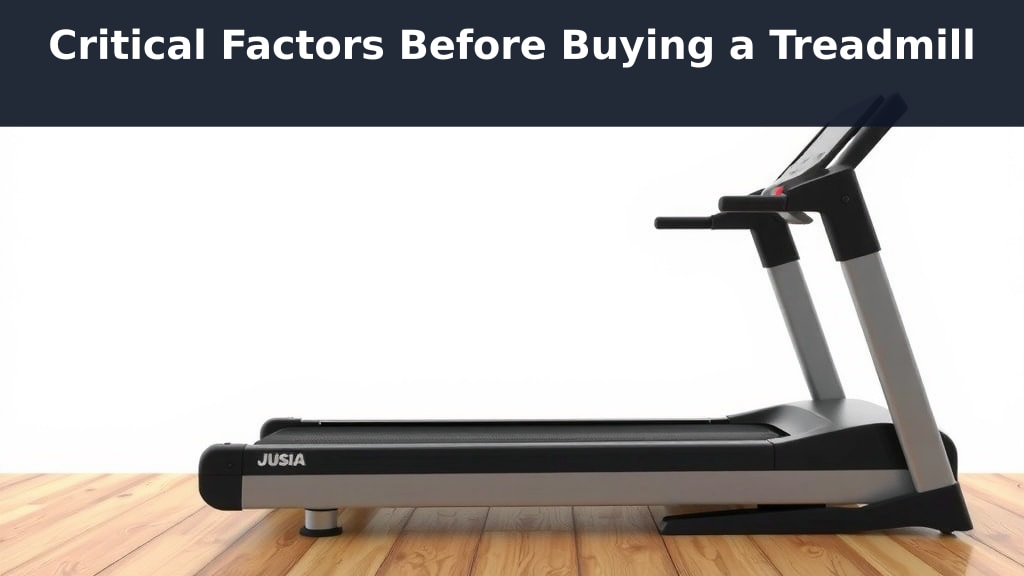
Critical Factors Before Buying a Treadmill
Buying a treadmill means investing in your health. Before you buy, you must consider motor power, deck size, and your fitness goals. This ensures you choose a machine that supports your workouts now and in the future.
A treadmill is a big purchase. Thinking about your budget and available space is smart. It’s also wise to look at user reviews and warranty details. Getting these right means a better home gym experience.
- Motor power matters for your stride.
- Deck size should match your height.
- Consider your fitness goals.
- Space and budget are key factors.
- Check warranties and user reviews.
Let’s walk through exactly what you need to think about before you bring that treadmill home.
Key Considerations Before You Buy a Treadmill
Buying a treadmill is a big decision. It’s an investment in your health and fitness. You want to make sure you pick the right machine. Think of it like buying a car; you wouldn’t buy one without checking the engine, right?
We’ve broken down the most important factors. This guide will help you make an informed choice. You’ll find a treadmill that fits your life and your goals perfectly.
Motor Power: The Engine of Your Workout
The motor is the heart of any treadmill. Its power determines how well the machine handles your pace. A weak motor will struggle, especially if you’re a runner. This can lead to a bumpy ride and potential damage to the machine.
Understanding Horsepower Ratings
Treadmill motors are measured in continuous-duty horsepower (CHP). This is different from peak horsepower. CHP tells you the sustained power the motor can deliver. Look for this rating when comparing models.
For walking, a 1.5 to 2.0 CHP motor is usually sufficient. If you plan to jog or run, you’ll want at least a 2.5 to 3.0 CHP motor. Serious runners might need 3.5 CHP or higher. Many experts suggest a stronger motor is always better for longevity (Consumer Reports).
What About Incline?
Some treadmills offer incline features. This lets you simulate hills. It’s a great way to increase workout intensity. Make sure the motor can handle the incline, especially if you plan to use it often.
Deck Size: Your Running Space
The treadmill belt is where the magic happens. Its size affects your comfort and safety. A larger deck means more room to move your stride naturally. This is especially important for taller individuals or runners.
Belt Length Matters Most
For walking, a belt length of 55 inches might be okay. However, for jogging and running, aim for at least 60 inches. Taller runners, over 6 feet, should consider 63 to 65 inches. You don’t want to feel like you’re running on a treadmill that’s too short.
Belt Width for Comfort
Belt width is also a consideration. Most treadmills are 20 to 22 inches wide. A wider belt offers more comfort and safety. It gives you a little more wiggle room. This can prevent you from accidentally stepping off the belt.
Your Fitness Goals: Tailoring the Machine to You
What do you want to achieve with your treadmill? Your goals will heavily influence the features you need. A machine for casual walking is very different from one for marathon training.
Walking Workouts
If you’re primarily a walker, you can focus on comfort and ease of use. A treadmill with a good cushioning system is important. Look for simple controls and a clear display. Motor power is less critical, but a decent CHP will ensure a smooth experience.
Running and Performance Training
Runners need a more robust machine. You’ll need a powerful motor and a long, wide deck. Durability and shock absorption are also key. Features like pre-set training programs and heart rate monitors can be very useful for tracking progress.
Weight Loss and Endurance
For weight loss, you’ll want a treadmill that can handle long, steady workouts. The ability to vary speed and incline is beneficial. This helps keep your body challenged and prevents plateaus. Consider a model with good built-in workout programs designed for cardio fitness (CDC).
Space and Budget: Practical Realities
Let’s talk about the practical stuff. Where will the treadmill live in your home? How much can you comfortably spend?
Measuring Your Space
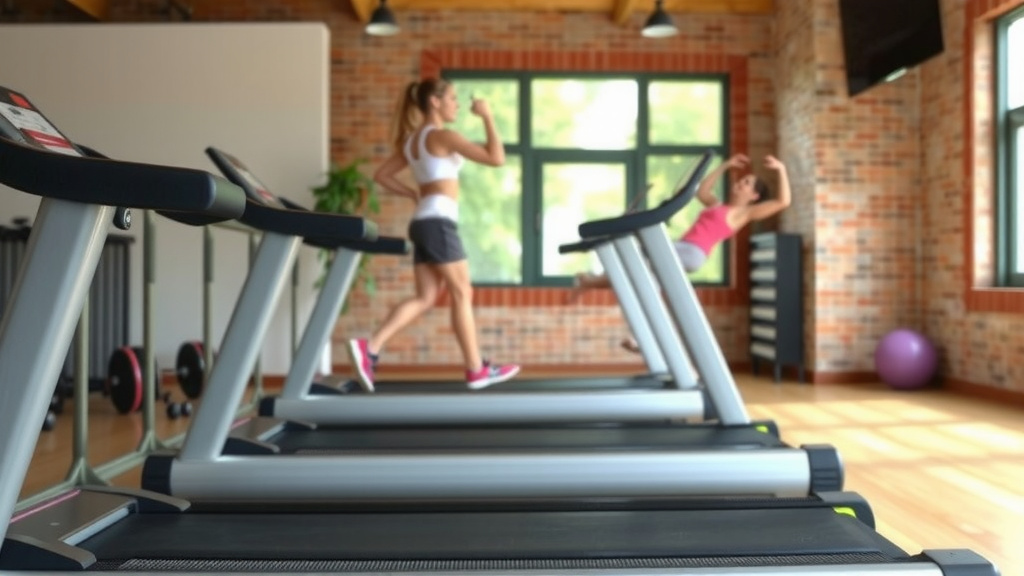
Treadmills take up a surprising amount of room. Measure the area where you plan to put it. Remember to account for space around the treadmill for safety and access. Many treadmills can be folded up, but check the dimensions when folded as well.
Setting a Realistic Budget
Treadmill prices vary wildly. You can find very basic models for a few hundred dollars. High-end, feature-rich treadmills can cost thousands. Set a budget before you start shopping. This will help narrow down your options and prevent impulse buys.
For a decent quality treadmill that can handle running, you’re typically looking at spending between $1,000 and $2,000. Walking treadmills can be found for less. Don’t forget to factor in potential delivery and assembly costs.
Durability and Warranties: Long-Term Peace of Mind
A treadmill is a significant purchase. You want it to last. Checking the warranty is like checking the ingredients list for something you’ll use often.
Understanding Warranty Types
Treadmill warranties typically cover different parts separately. Look for warranties on the frame, motor, and parts/labor. A longer warranty, especially on the motor, is a good indicator of quality.
Many reputable brands offer lifetime warranties on the frame and motor. A good parts and labor warranty is usually 1 to 5 years. Anything less might be a red flag.
Where to Find Reviews
Don’t just take the manufacturer’s word for it. Read reviews from actual users. Look for common themes in both positive and negative feedback. Websites like Wirecutter, Consumer Reports, and dedicated fitness forums can be great resources.
Check for reviews that mention the long-term reliability of the treadmill. How often do people have issues? Is customer service responsive?
Your Treadmill Buying Checklist
Before you commit, run through this quick checklist:
- Is the motor power sufficient for my intended workouts?
- Is the deck size long and wide enough for my stride?
- Does it align with my specific fitness goals?
- Will it fit comfortably in my available space?
- Does the price fit within my budget?
- Are the warranty terms and user reviews reassuring?
Conclusion
You’re now equipped to make a smart treadmill purchase. Remember, the right machine aligns with your fitness goals, fits your space, and respects your budget. Motor power and deck size are key for a comfortable and effective workout. Don’t overlook durable construction and a solid warranty. Thoroughly researching user reviews will give you real-world feedback. Your next step is to measure your space, set your budget, and start comparing models that meet these critical factors. Happy training!
Frequently Asked Questions
What’s the most important factor when buying a treadmill?
While many factors are important, motor power and deck size are often considered the most critical. These directly impact your workout experience and the machine’s ability to handle your intended use, whether walking or running. Ensuring these are adequate for your needs prevents frustration and potential equipment damage.
Can I get a good quality treadmill for under $1000?
Yes, you can find decent treadmills for under $1000, especially for walking. However, for serious runners or those seeking advanced features and greater durability, prices typically start to climb above $1000. It’s essential to manage expectations and focus on core features like motor power and deck size within your budget.
How much space do I really need for a treadmill?
You need more space than you might think. Measure the treadmill’s footprint and then add at least 2 feet of clearance on all sides for safety and movement. If the treadmill folds, measure its folded dimensions too, as it still requires a good amount of floor space.
Are foldable treadmills as sturdy as non-folding ones?
Many modern foldable treadmills are quite sturdy and can offer a great workout experience. However, for the absolute highest level of stability and durability, especially for heavy running, a non-folding, commercial-grade treadmill might still be superior. Always check reviews and warranty details.
What does “continuous-duty horsepower” (CHP) mean for a treadmill motor?
CHP refers to the sustained power a motor can deliver over time, rather than its peak output. This rating is more important for treadmills because it indicates how well the motor will perform during longer, more strenuous workouts without overheating or losing power. Always look for CHP ratings over standard horsepower.