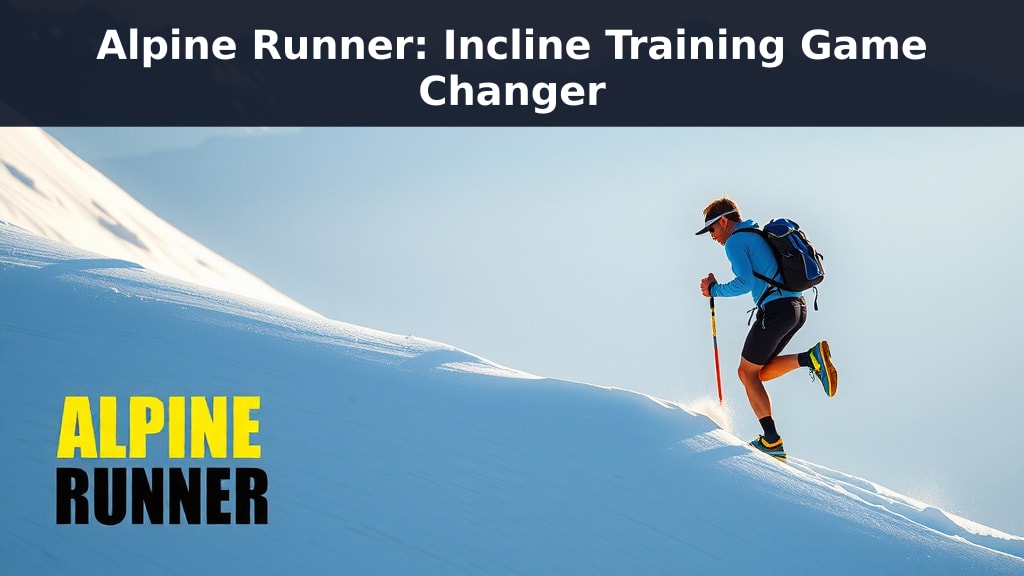
Alpine Runner: Incline Training Game Changer
Yes, the Alpine Runner can be a true game-changer for your incline training. It offers a way to build leg strength and endurance like you’re climbing real hills, right from your living room. You can get a tough workout without dealing with weather or traffic.
Many runners struggle with hills, finding they lack the power or stamina. Training on an incline helps build the specific muscles needed for uphill running. The Alpine Runner provides a consistent and controlled environment to practice those challenging climbs.
- Alpine Runner simulates uphill running.
- It builds leg strength and endurance.
- Offers consistent training without outdoor risks.
- Helps runners prepare for real hills.
Let’s dive into how this incline trainer works and how you can best use it to crush your next hill workout.
“`htmlBoosting Your Running with Incline Training
If you’re looking to improve your running performance, especially on hilly terrain, then incline training is your secret weapon. Many runners find hills to be their biggest challenge. They might have the speed on flats but hit a wall when the ground starts to rise. This isn’t a lack of effort; it’s often a need for specific muscle development and endurance training.
The Alpine Runner machine offers a way to get this specialized training. It’s designed to simulate the act of running uphill. This means you can build the necessary strength and stamina without leaving your home. You get all the benefits of hill work in a controlled, safe environment.
How the Alpine Runner Mimics Uphill Running
So, how does this machine actually work its magic? At its core, the Alpine Runner is an incline treadmill. Unlike standard treadmills that mostly adjust speed, this machine excels at dramatically increasing the incline. You can set it to mimic various hill grades, from a gentle rise to a steep climb.
The Mechanics of the Incline
When you set the Alpine Runner to a high incline, your body has to work much harder. Your glutes, hamstrings, and calves engage differently and more intensely. This is very similar to what happens when you run up a real hill. Your stride might shorten, and your upper body might lean forward slightly to maintain balance and drive.
Researchers have found that incline training significantly increases leg muscle activation compared to running on a flat surface. This targeted activation is key to building the power you need for uphill bursts and sustained climbs.
Consistency for Better Results
One of the biggest advantages of using the Alpine Runner is its consistency. You can set a specific incline percentage and maintain it for your entire workout. This is often difficult to achieve outdoors, where hills can vary in steepness unexpectedly. This **consistent challenge** allows your muscles to adapt and grow stronger more effectively.
Building Strength and Endurance: The Core Benefits
Training on an incline is a fantastic way to build the physical attributes needed for tougher runs. You’re not just running; you’re developing specific adaptations that translate directly to better performance.
Leg Strength Development
When you run uphill, your legs are working against gravity. This requires more force from your muscles. The Alpine Runner forces this same kind of effort. You’ll notice an increase in the strength of your quadriceps, hamstrings, and gluteal muscles.
For instance, studies indicate that incline running can lead to greater improvements in maximal strength and power output in runners compared to flat running alone (National Institutes of Health). This is precisely what you need to tackle those challenging inclines on race day or during your training runs.
Enhanced Cardiovascular Fitness
Running at an incline is simply harder. Your heart has to pump more blood to deliver oxygen to your working muscles. This means your cardiovascular system gets a robust workout. You’re building a stronger, more efficient heart and lungs.
Many athletes use incline training to improve their VO2 max, which is a measure of your body’s maximum oxygen uptake during exercise. A higher VO2 max generally means better endurance and faster times. The Alpine Runner makes it easier to push your limits safely and effectively.
Improved Running Economy
What is running economy? It’s how efficiently your body uses oxygen at a given pace. Better running economy means you use less energy to run at the same speed. While it might seem counterintuitive, training on an incline can actually improve your efficiency on flats.
By strengthening your leg muscles and improving your biomechanics for uphill running, you build a more powerful and coordinated stride. This translates to a more efficient movement pattern overall. You’ll find yourself expending less energy when running at your usual pace, helping you conserve energy for longer distances or faster finishes.
Getting the Most Out of Your Alpine Runner Workouts
Simply hopping on the Alpine Runner and cranking up the incline isn’t the whole story. To truly make it a game-changer, you need a smart approach to your training. Here’s how you can optimize your sessions.
Start Gradually and Listen to Your Body
If you’re new to incline training, don’t jump straight to a steep 15% grade. Start with a manageable incline, perhaps 2-5%, and a comfortable pace. As you get used to the feeling, gradually increase the incline and duration of your workouts. Pay close attention to how your body feels. Pushing too hard too soon can lead to injuries.
Incorporate Different Types of Incline Workouts
Varying your workouts will challenge your body in different ways and prevent plateaus. Consider these options:
- Hill Repeats: Run at a challenging incline for a set duration (e.g., 1-3 minutes), then reduce the incline for a recovery jog or walk. Repeat several times.
- Incline Intervals: Alternate between short, intense periods of high incline running and periods of lower incline or flat running.
- Longer, Steady Incline Climbs: Maintain a moderate incline for an extended period to build endurance.
Don’t Forget Your Upper Body and Core
When running uphill, your upper body and core play a vital role in maintaining balance and driving forward. Make sure to engage your core muscles during your runs. You might also want to incorporate strength training exercises that target your core and upper body to support your running form.
Consider a Sample Training Plan Structure
To give you an idea of how to structure your training, here’s a simplified example. Remember to adjust based on your current fitness level.
| Workout Type | Duration/Reps | Incline | Focus |
|---|---|---|---|
| Warm-up | 5-10 minutes | 0-2% | Easy jog |
| Incline Intervals | 6-8 x 2 minutes | 6-10% | Moderate to hard effort, 2 min recovery at 2% |
| Steady Climb | 20-30 minutes | 4-6% | Comfortable but challenging pace |
| Cool-down | 5-10 minutes | 0% | Easy walk/jog |
Your Checklist for Effective Incline Training:
- Start slow: Gradually increase incline and duration.
- Vary your workouts: Mix in repeats, intervals, and steady climbs.
- Focus on form: Keep your core engaged.
- Listen to your body: Rest when needed to avoid injury.
- Stay hydrated: Drink plenty of water.
- Be consistent: Regular training yields the best results.
Conclusion
You’ve seen how the Alpine Runner can truly transform your training. By simulating real hill climbs, it builds essential leg strength and cardiovascular endurance. You gain consistency and safety, unlike outdoor runs. This machine helps you conquer any incline, whether for racing or personal goals. Your next step is to integrate these incline workouts into your routine consistently. Start gradually, listen to your body, and you’ll be running stronger than ever on any hill you encounter.
Frequently Asked Questions
How much incline can the Alpine Runner provide?
The Alpine Runner can reach very steep inclines, often up to 30%. This allows you to simulate a wide range of hill grades, from gentle slopes to challenging mountain ascents. You can really push your limits with the adjustable gradient.
Is the Alpine Runner good for preventing injuries?
Yes, it can help. Training on an incline strengthens muscles that support your joints, like your glutes and hamstrings. This can improve stability and reduce the risk of common running injuries, especially when you start gradually and focus on good form.
Can I use the Alpine Runner if I’m a beginner runner?
Absolutely. Beginners can start with lower inclines and shorter durations. It’s a great way to build a foundational strength and endurance base without the high impact of flat running. You can slowly increase the challenge as you get fitter.
How often should I incorporate Alpine Runner workouts?
For most runners, incorporating one to two incline training sessions per week is beneficial. Listen to your body; if you’re new to incline work, start with once a week and add more as your body adapts. This prevents overtraining and allows for recovery.
Will training on the Alpine Runner help me run faster on flat ground?
Surprisingly, yes! By building stronger leg muscles and improving your running economy through incline training, you can become more efficient. This increased power and efficiency often translates to faster paces even on flat surfaces.