2 Miles on Elliptical vs Treadmill: More Cals?
When comparing 2 miles on an elliptical versus a treadmill, you’ll likely burn slightly more calories on the treadmill. This is because treadmills involve more natural body movement. You’re pushing off the ground with each step. Ellipticals offer a smoother motion, which can sometimes reduce the intensity of your workout. Both are excellent cardio choices, though.
The exact calorie burn depends on many factors. Your weight, speed, and resistance all play a role. Many experts find that the slight incline on a treadmill can also boost calorie expenditure. While the difference might be small, understanding these nuances helps you choose the best machine for your goals.
- Treadmills generally burn more calories than ellipticals.
- This is due to more natural leg movement and push-off.
- Ellipticals offer a smoother, lower-impact workout.
- Your personal weight and workout intensity matter most.
- Both are great for cardiovascular health.
We’ve looked at the general differences, but let’s get into the specifics of how 2 miles stacks up on each machine.
Calorie Burn: Elliptical vs. Treadmill for 2 Miles
So, you’re curious about which machine torches more calories when you go for a 2-mile trek. We’ve got you covered. Generally speaking, treadmills tend to win this calorie-burning contest. This is because your body works a bit harder to propel itself forward and push off the ground with each step.
Understanding the Mechanics of Each Machine
Let’s break down what’s happening on each piece of equipment. It’s not just about distance; it’s about how your body moves.
The Treadmill’s Impact on Calorie Burn
On a treadmill, your feet are making contact with a moving belt. This requires you to actively push off the surface with every stride. Think of it like walking or running on solid ground. Your legs, glutes, and even your core have to engage to keep you moving forward. Many experts point out that this natural motion requires more energy expenditure. This is especially true if you add an incline, which we’ll talk about later.
The Elliptical’s Smoother Ride
The elliptical offers a gliding, circular motion. Your feet remain in contact with the pedals throughout the entire movement. This reduces the impact on your joints, which is fantastic. However, this smoothness can also mean less effort from certain muscle groups. Because you aren’t “pushing off” in the same way, your body doesn’t always need to recruit as many muscles or expend as much energy to maintain the same pace. It’s a gentler workout, which has its own benefits, but often translates to fewer calories burned for the same distance covered.
Factors Influencing Your Calorie Burn
While the machine type is a big piece of the puzzle, many other elements play a role in how many calories you’ll actually burn. Let’s look at what else affects the numbers.
Your Personal Weight: The Biggest Driver
This is a huge one, folks. The heavier you are, the more calories you burn doing pretty much any physical activity. Moving more mass requires more energy. So, if you weigh more, you’ll likely burn more calories than someone lighter on either machine, covering the same 2 miles at the same intensity. Research consistently shows weight as a primary factor in calorie expenditure (National Institutes of Health).
Intensity Matters Most: Speed and Resistance
Forget the machine for a second – how hard are you working? This is where you have the most control. On a treadmill, this means your speed and incline. On an elliptical, it’s your pace and the resistance level. Pushing yourself harder on either machine will naturally increase your heart rate and calorie burn. A brisk walk on the treadmill might burn fewer calories than an intense elliptical session, and vice versa. The key is to work at an effort level that challenges you.
Treadmill Speed and Incline
When you’re on the treadmill, increasing your speed from a walk to a jog or run significantly boosts your calorie burn. Adding an incline, even a small one, also makes a big difference. Many fitness professionals suggest that a slight incline can increase calorie expenditure by up to 10% (American Council on Exercise). It simulates uphill walking or running, engaging your glutes and hamstrings more.
Elliptical Resistance and Cadence
On the elliptical, you can adjust the resistance. Higher resistance means you’re working harder to move the pedals, leading to a greater calorie burn. Your cadence, or how quickly you pedal, also plays a part. A faster cadence, combined with higher resistance, will generally result in more calories burned. Some ellipticals also have movable handlebars, which can engage your upper body and increase the overall workout intensity.
Duration vs. Distance: What’s the Real Goal?
You mentioned 2 miles, which is a set distance. But sometimes, people think about workouts in terms of time. For the same amount of time, say 30 minutes, the calorie burn might be closer between the two machines, depending on intensity. However, for a fixed distance like 2 miles, the treadmill often edges out the elliptical due to the reasons we’ve discussed.
Comparing 2 Miles: A Quick Look
Let’s try to visualize this. Imagine two people, the same weight, doing 2 miles. Person A is on a treadmill at a brisk pace, and Person B is on an elliptical at a moderate pace. Based on general findings, Person A will likely burn more calories. It’s not a massive difference, but it’s there.
Here’s a simplified comparison:
| Machine | Primary Calorie Burn Factors | General Calorie Burn (for 2 miles, same person/intensity) |
|---|---|---|
| Treadmill | Push-off, stride mechanics, speed, incline | Higher |
| Elliptical | Resistance, cadence, upper body engagement (if using handles) | Slightly Lower |
Remember, these are generalizations. Your personal intensity is the game-changer.
Which Machine is Right for You?
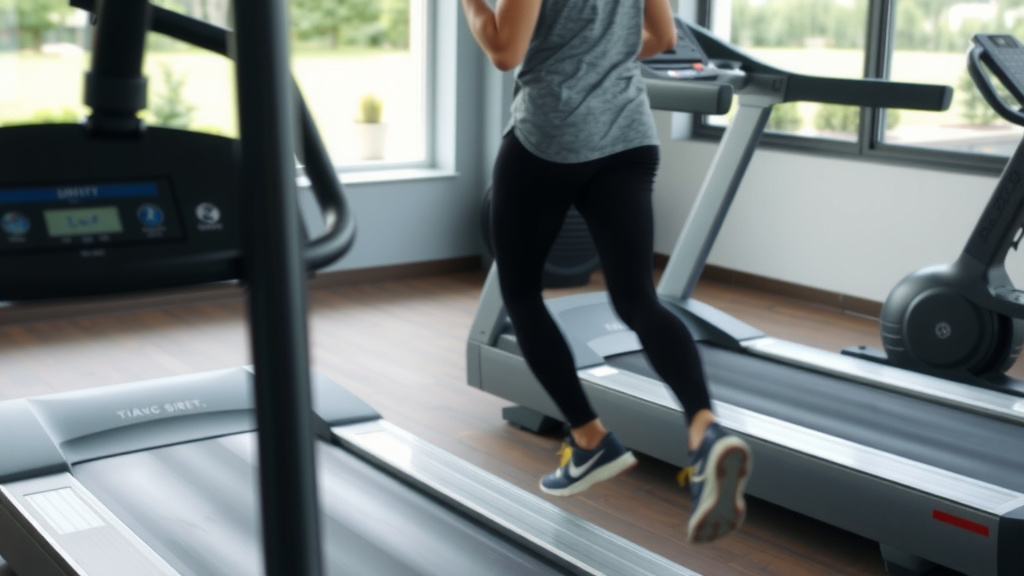
The “better” machine isn’t always about maximum calorie burn. It’s about what fits your fitness goals and your body. Do you have joint issues? The elliptical might be your best friend. Are you training for a race and need to simulate outdoor running? The treadmill is likely your go-to. Both are fantastic for your cardiovascular health.
Consider these quick points:
- Joint Health: If you need a low-impact option, the elliptical often wins.
- Functional Movement: The treadmill mimics natural walking and running patterns.
- Upper Body: Some ellipticals allow for arm work, engaging more muscles.
- Variety: Don’t be afraid to use both machines throughout your week!
- Personal Preference: You’re more likely to stick with a workout you enjoy.
Ultimately, the best workout is the one you do consistently. For burning those extra few calories on a 2-mile journey, the treadmill often has a slight edge, but don’t underestimate the power of cranking up the resistance on your elliptical or pushing your pace on the treadmill. Your effort level is the real star of the show!
Conclusion
So, when you’re looking at 2 miles on an elliptical versus a treadmill, the treadmill generally wins in calorie burn. This is because of the more natural push-off motion involved in walking or running. Remember, though, that your personal weight and the intensity you bring to your workout are the biggest factors. Don’t forget that the elliptical is a fantastic low-impact option that can still give you a great cardio workout. Your best bet is to choose the machine that you enjoy most and can stick with consistently for your fitness journey.
Frequently Asked Questions
Will I burn more calories walking 2 miles on a treadmill than running 2 miles on an elliptical?
Not necessarily. While treadmills typically burn more calories for the same distance due to natural push-off, running on an elliptical at a high intensity could potentially burn more than a leisurely walk on a treadmill. Your speed, resistance, and incline/resistance settings are key.
How much more can I expect to burn on a treadmill vs. an elliptical for 2 miles?
Research and expert findings suggest the difference is usually small, often within a 10-15% range for the same person and effort. However, this can vary greatly based on your individual workout settings and personal metrics like weight.
Does using the arm handles on an elliptical increase calorie burn significantly for 2 miles?
Yes, actively using the moving handlebars on an elliptical engages your upper body, which can increase your overall calorie expenditure compared to only using your legs. This makes the elliptical a more full-body workout when done correctly.
If I weigh more, will the difference in calorie burn between a treadmill and elliptical be larger for 2 miles?
Generally, yes. Heavier individuals burn more calories doing any physical activity because they are moving more mass. This means the absolute calorie difference between the two machines for 2 miles might be greater for someone who weighs more.
Can I make an elliptical burn as many calories as a treadmill for 2 miles?
You absolutely can! By increasing the resistance level, maintaining a higher cadence (pedaling speed), and actively engaging your arms on the handles, you can significantly boost your calorie burn on an elliptical to match or even exceed what you might get on a treadmill for the same distance.